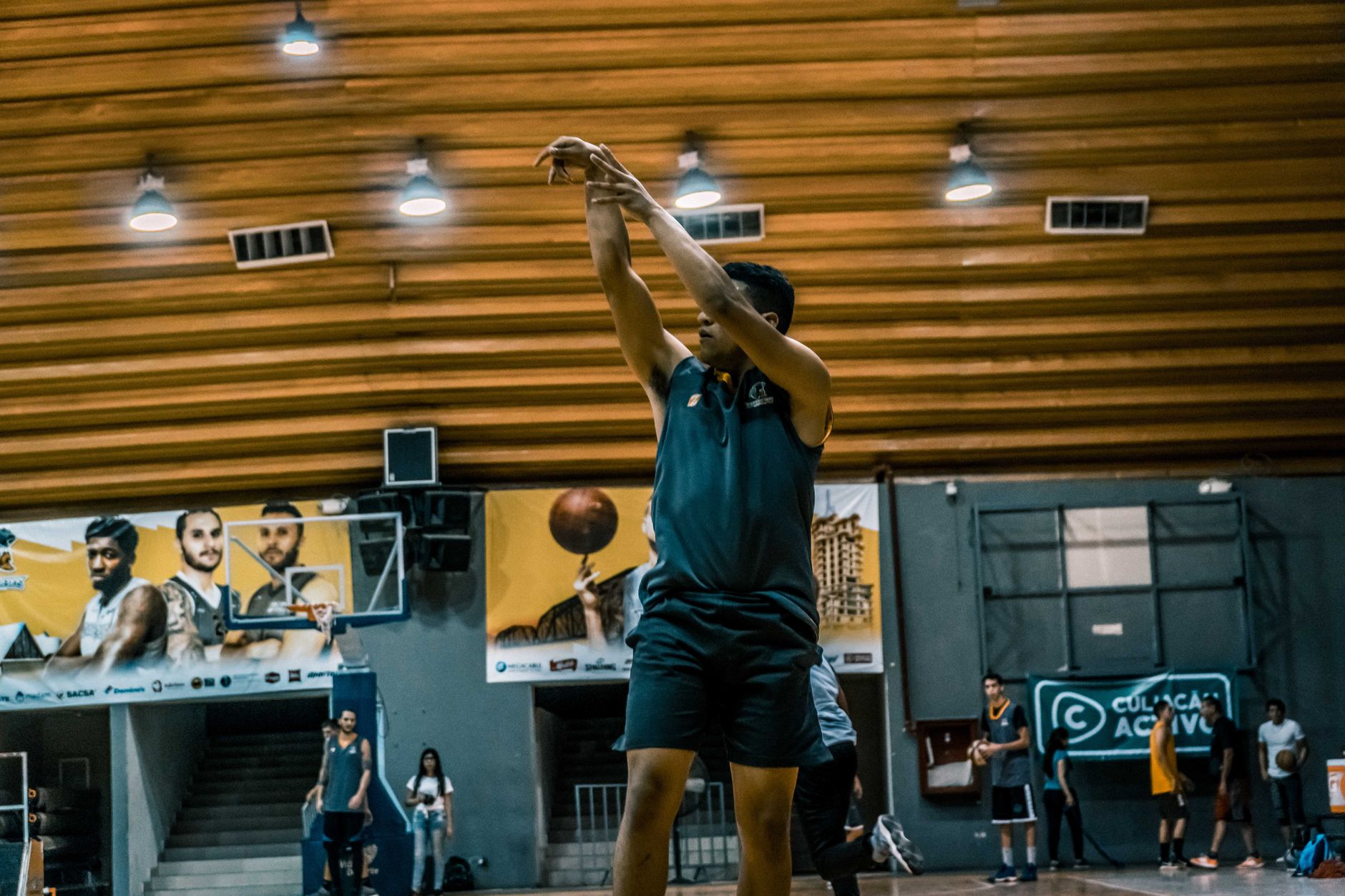
The midrange shot never actually died. It got priced out. When the three-point revolution hit full velocity in the late 2010s, teams didn’t abandon the midrange because it stopped working - they abandoned it because the math said a 35% three-pointer beats a 45% pull-up jumper from eighteen feet. That logic is sound. What followed from it was not.
Somewhere between the analytics revolution and its current backlash, a narrative emerged: that stars reclaiming the midrange - Kevin Durant, DeMar DeRozan during his Chicago years, Kawhi Leonard when healthy - represented a kind of tactical courage. A rejection of orthodoxy. The reality is more mundane. Those players kept shooting midrange because they were simply too good at it for the math to punish them. Durant shooting from the elbow against a closeout isn’t a philosophy. It’s a talent exception.
Who Is Actually Driving the Revival
The more interesting midrange resurgence is happening two tiers down the roster. Pick-and-roll ball-handlers who can pull up at the foul line, wings who use it as a wrinkle after two or three drives, bigs who have added a fifteen-foot face-up as a counter to drop coverage - these are the players reshaping how the shot gets used. It’s not about aesthetics or a rejection of three-point orthodoxy. It’s about defenses that have grown so accustomed to loading up for threes and rim protection that the middle of the floor has opened back up.
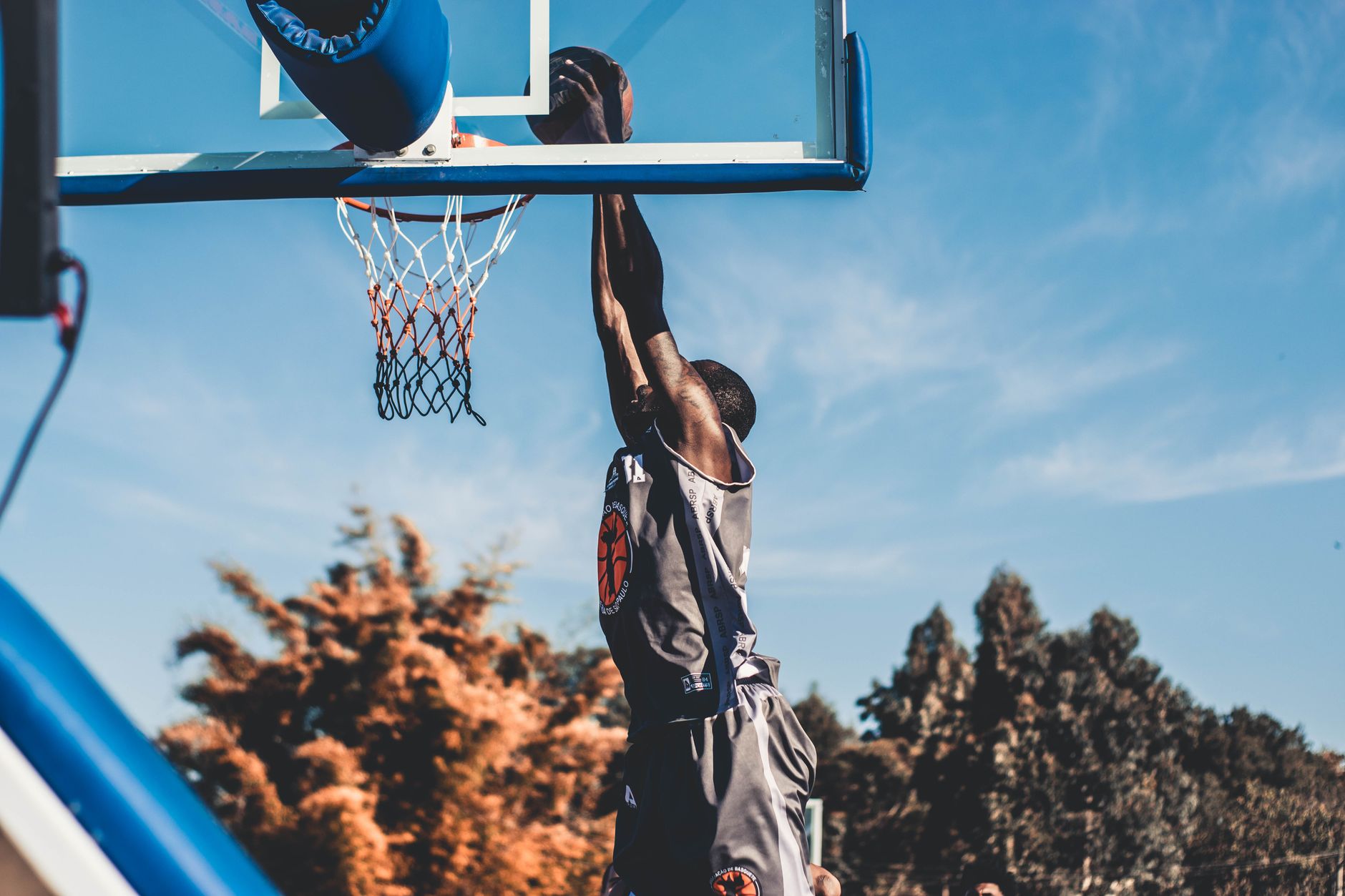
Rosters built entirely around the three-ball became predictable. Defenses adjusted. And now teams are finding that a second or third option who can consistently convert from the mid-post or the elbow is creating problems that switching and hedging schemes weren’t designed to solve.
The Tactical Gap Nobody Wants to Name
Coaches aren’t calling plays for midrange shots. That’s the tell. The shot is re-entering the game not through design but through player reads - through ball-handlers recognizing a soft hedge and taking what’s there. Which means teams are benefiting from the midrange revival without actually committing to it.
That could stay functional for a while. Or it could mean that the first team to systematically build midrange into its half-court structure - not as a bail-out option but as a primary action - will have something defenses genuinely aren’t prepared for. Nobody seems to be doing that yet.