
There’s a moment that happens in virtually every close NBA game: twelve seconds left on the shot clock, the ball finds the best player on the floor, everyone else clears out, and the crowd waits. It looks decisive. It feels like the right call. The numbers increasingly suggest it isn’t.
Isolation scoring in late-game situations - roughly defined as the final two minutes of the fourth quarter in games within five points - has become the default setting for almost every team in the league. Not because it’s the most efficient option available, but because it’s the most defensible one for coaches. If your star goes one-on-one and misses, that’s basketball. If you run a set play and it breaks down, that’s a coaching failure. The incentive structure quietly shapes what happens on the court.
The Efficiency Problem Nobody Wants to Say Out Loud
Isolation possessions have consistently produced below-average points-per-possession figures across the league, and that gap doesn’t meaningfully close in clutch situations. Yet the frequency of isolations spikes sharply in the final two minutes of close games - the exact moments when efficiency should matter most. Teams essentially trade their best offensive system for their most emotionally satisfying one.
What’s strange is that motion-heavy offenses don’t suddenly stop working when the stakes rise. The San Antonio Spurs of the mid-2000s ran structured sets deep into fourth quarters and won multiple championships doing it. More recently, teams with genuine offensive systems - Denver under Mike Malone, Boston under Joe Mazzulla - have shown that connected basketball doesn’t have to be abandoned the moment a game gets tight. But those teams are still exceptions, and their approach gets treated as a stylistic quirk rather than a replicable model.
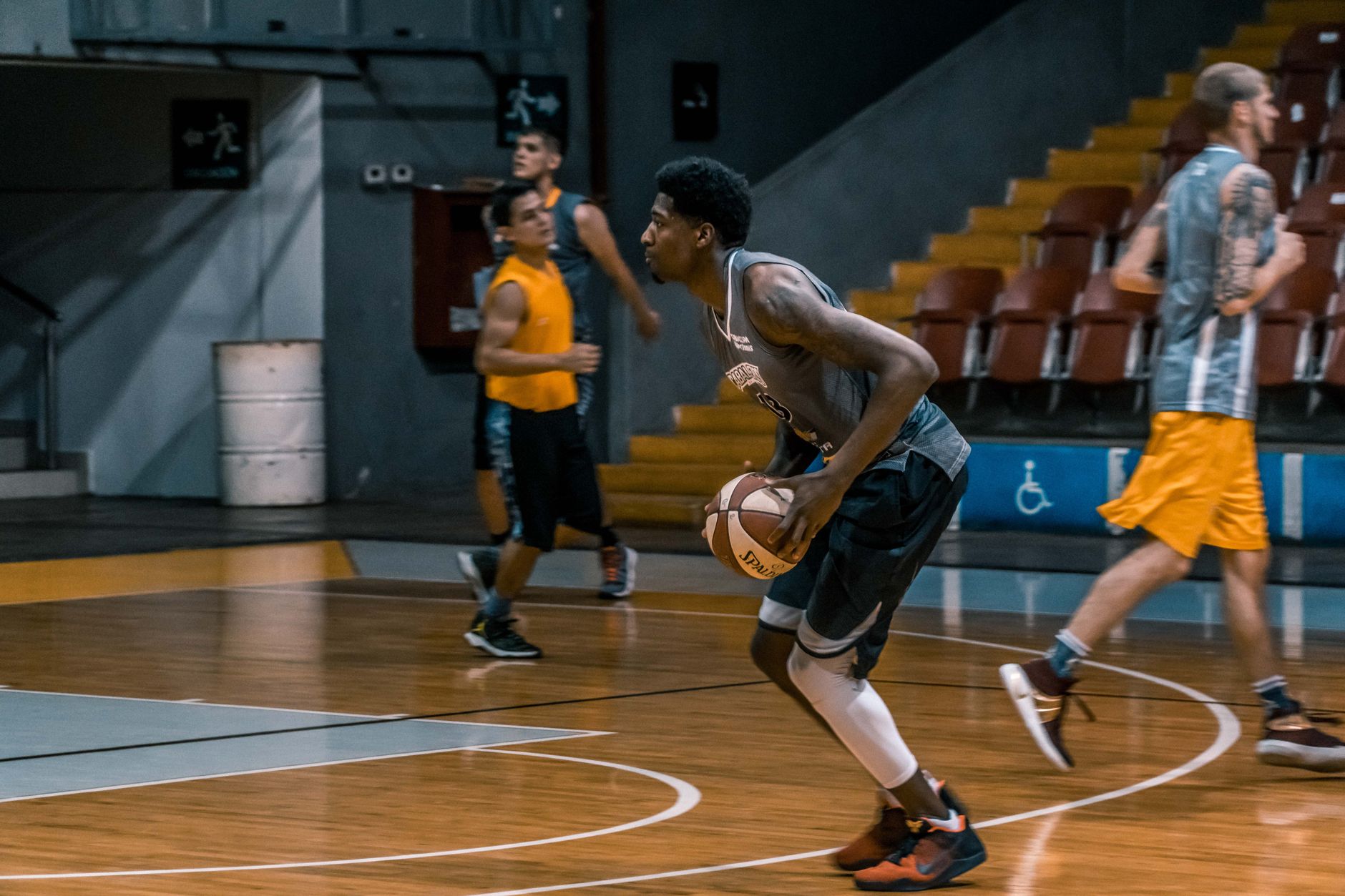
The Star Player Myth
Part of what sustains this is the mythology around clutch performance. The idea that certain players are simply wired differently in high-pressure moments, and that the correct response to pressure is to hand them the ball and move. It’s a compelling story. It also tends to obscure the fact that even elite isolation scorers - players shooting well above average from the field overall - see their efficiency drop when defenders can fully commit to stopping them without worrying about weak-side movement or a secondary ball-handler.
Defenses know what’s coming. They’ve watched the same film.

The Adjustment Nobody Makes
What’s left unresolved is why this persists even among analytically sophisticated front offices. Teams that spend millions on shot-quality models and lineup optimization will, at crunch time, revert to something their data almost certainly tells them is suboptimal. There’s probably a psychological explanation there - about accountability, about the comfort of legible decisions - that has nothing to do with basketball.
Whether any team actually breaks the habit in a meaningful way, or whether the sport just keeps rewarding the narrative of the hero moment over the structure that gets you there, is something the next few seasons will answer one way or another.