
Drop coverage was never meant to be a permanent solution. It was a tactical concession - keep the big near the paint, surrender the mid-range, hope the ball-handler doesn’t shoot well enough from 17 feet to punish you. Against certain rosters in certain eras, it was defensible. But somewhere along the way it became the default, and now teams are watching guards get clean pull-up threes every other possession and still blaming the center for not getting out far enough.
The logic of drop coverage depends on one thing: that the guard running off the screen is either a mediocre shooter or a driver-first player who will be funneled into a waiting big. That condition stopped being reliably true several years ago. The number of lead guards who can punish a dropping big from the short roll area or from the three-point line has grown significantly, and yet the coverage hasn’t adapted at the same rate. Teams are still dropping bigs into positions that make sense on a whiteboard from 2016 but create live-action disasters in 2026.
What makes this harder to diagnose is that the damage rarely shows up cleanly in box scores. When a guard hits a pull-up two off a high ball screen, it doesn’t flag anywhere as a coverage breakdown. It just looks like a made shot. The big gets tagged for poor positioning, the guard gets credit for a tough make, and the film session focuses on where the center’s feet were rather than whether the coverage itself was the wrong call.
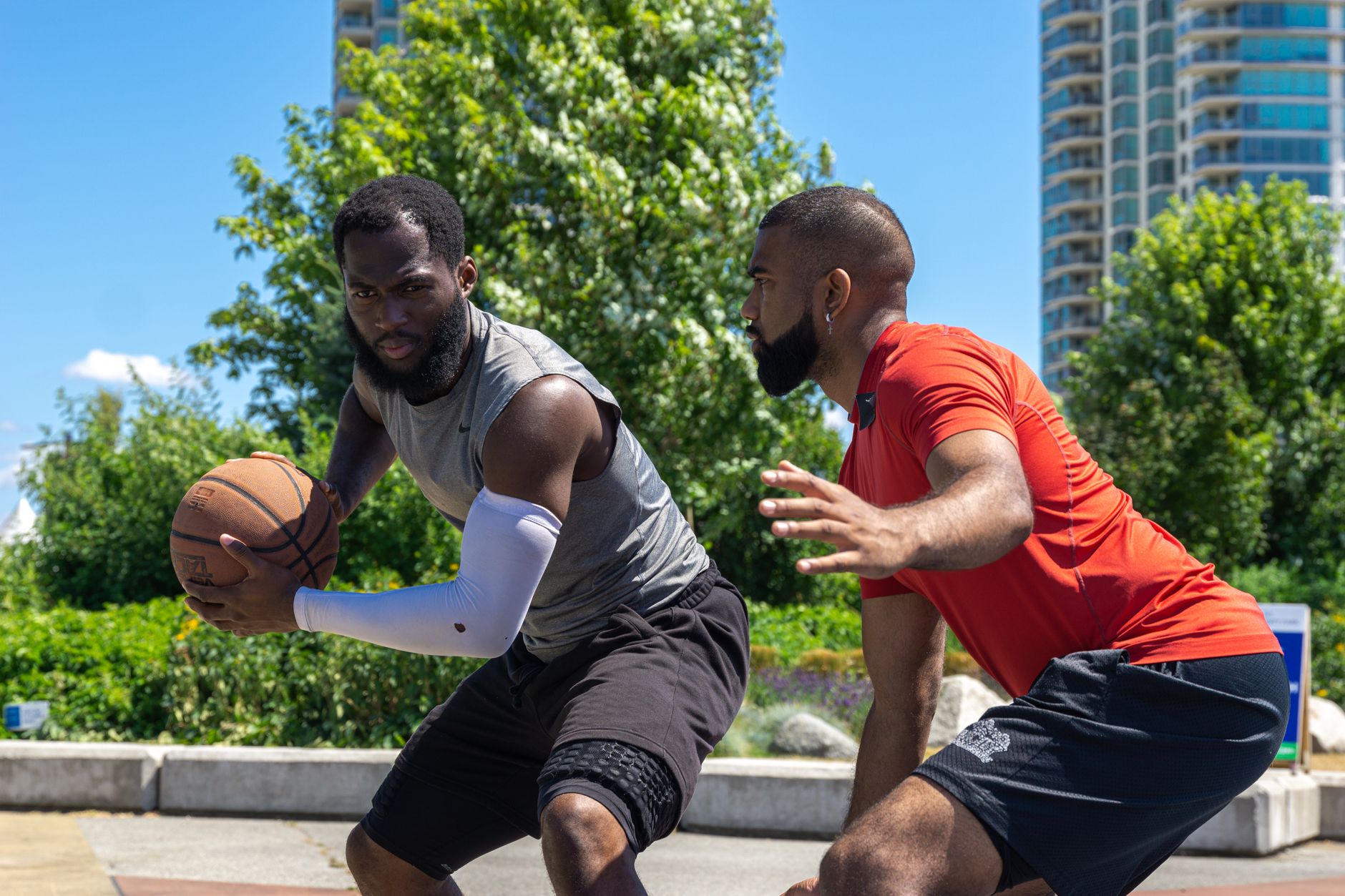
The Accountability Gap
Coaches are not being held accountable for running the wrong scheme. Bigs are being held accountable for failing to execute a scheme that was already compromised before the play started. This is a meaningful difference, and the NBA’s analytical conversation mostly skips over it.
Switching has its own problems - coverage mismatches, foul trouble, defensive rebounding gaps. Nobody is suggesting it’s a clean alternative. But the league’s attachment to drop coverage has less to do with tactical conviction and more to do with the fact that it’s easy to teach and easy to assign blame within. The big dropped too far. The big didn’t close out. The big.
At some point the question stops being how to run drop coverage better and starts being whether the coverage still earns its place in the rotation at all.