
Late in a tied game, most NBA teams run the same play: clear out one side, hand the ball to your best scorer, and hope. It works often enough that coaches keep calling it, and fails often enough that everyone spends the off-season complaining about shot selection. The conversation almost always lands on the wrong target.
Fouling strategy gets dissected endlessly - Hack-a-Shaq debates have been recycled across three decades - but the more persistent dysfunction in clutch situations is simpler. Teams repeatedly isolate their primary ball-handler in the final two minutes not because it’s the highest-percentage option, but because the rest of the offensive system has no structure that survives defensive pressure at that intensity. When defenses switch everything and crowd the paint, most sets that worked in the second quarter simply stop functioning. Isolation becomes the default because there’s no fallback.
The teams that have consistently outperformed in close games - Golden State during the dynasty years, San Antonio under Popovich, Boston under Mazzulla more recently - share something that gets framed as culture or trust but is actually more mechanical than that. Their late-game possessions still involve movement. Not complex movement, but enough to generate a second decision point. A dribble-handoff that might become a pull-up. A corner set that collapses the paint before kicking out. The shot at the end of the possession isn’t the entire plan; it’s the result of one earlier action forcing the defense to make a choice.
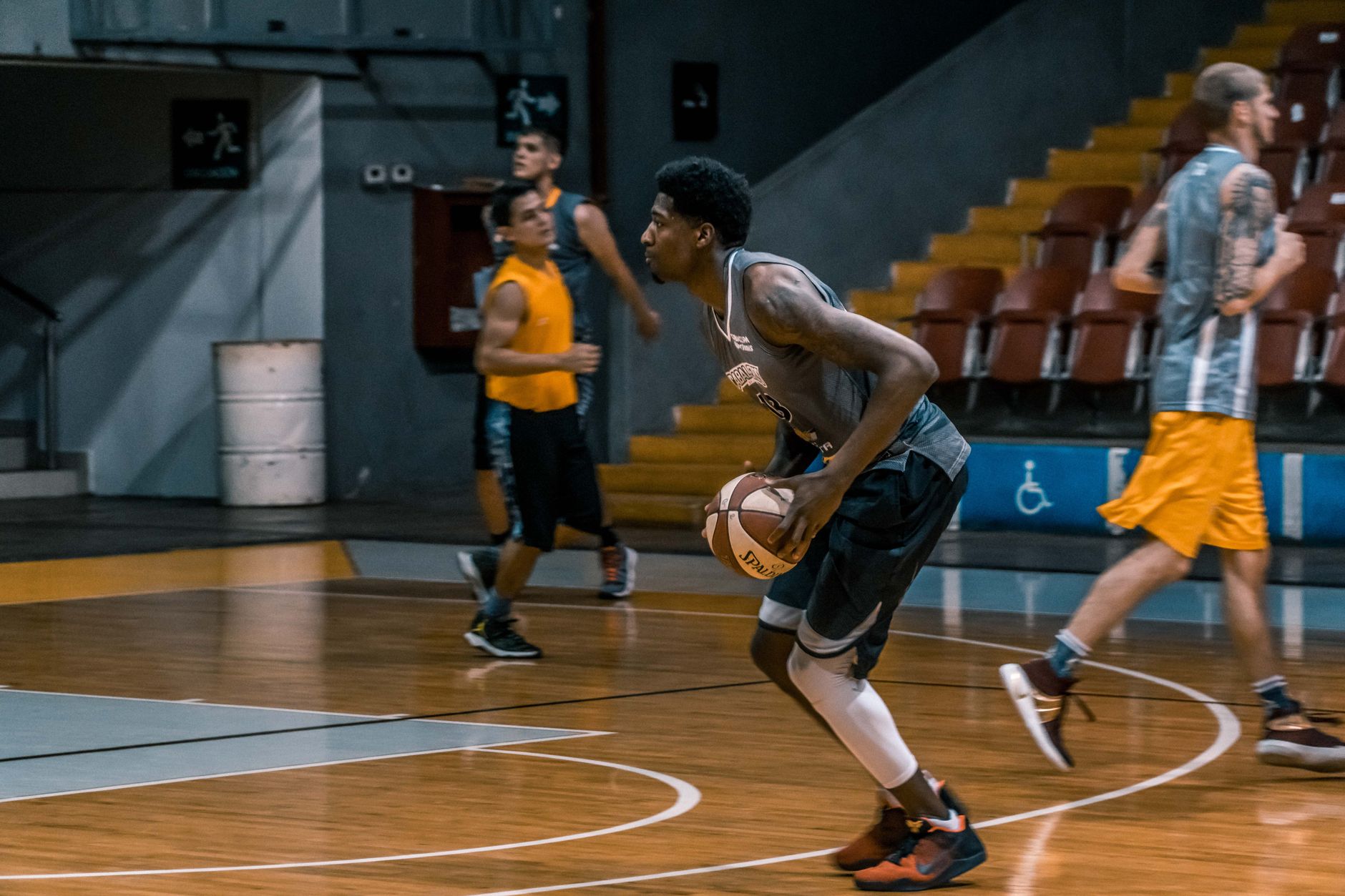
Why Isolation Persists
The honest answer is roster construction. Designing a functional late-game half-court offense requires at least two players who are threats to both score and make the right pass under pressure. That combination is rarer than it sounds. Most teams have one - their star - and then a collection of shooters who need the ball delivered to a specific spot to be useful. When the shot clock is under ten seconds and the defense is fully set, those shooters become furniture.
So coaches trust the one guy who can create off the dribble, even knowing the defense is selling out to stop him. The math on that is genuinely complicated - a contested shot from your best player versus a clean look from your fifth option involves variables that differ wildly by roster - and there’s no clean universal answer.
What is clear is that the teams investing in a second playmaker, someone who can run a two-man game without needing to be the primary scorer, are the ones whose clutch numbers don’t look like a coin flip. The rest are just hoping their star gets hot at the right moment. Sometimes he does.