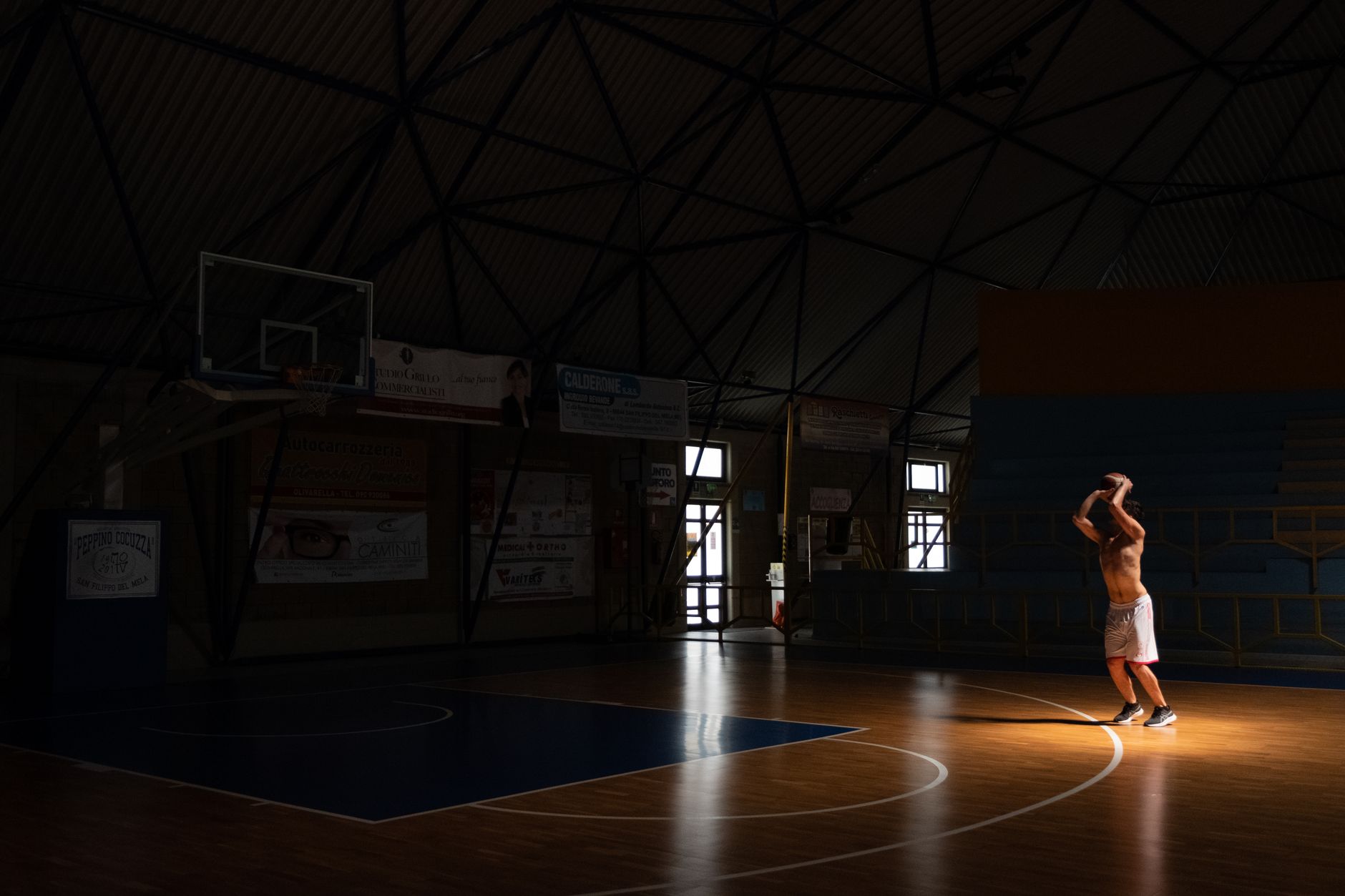
The dirty secret of modern NBA offense is that it disappears when it matters most. Teams that run beautifully choreographed motion sets for three quarters will, the moment a game gets tight in the fourth, clear out one side of the floor and hand the ball to their best player. That’s it. That’s the entire plan.
This isn’t a new observation, but the gap between regular-season offensive sophistication and clutch-time execution has widened visibly over the past few seasons. The analytics revolution rebuilt how teams attack for 44 minutes. It never quite reached the final four.
Why Isolation Keeps Winning the Argument
The explanation coaches and front offices reach for is control. Isolation puts the ball in your most skilled player’s hands and removes variables. A pick-and-roll gone wrong in the final minute can lose a playoff series; an isolation miss at least feels like a calculated loss.
The problem is that this logic treats isolation as a neutral fallback rather than an actively bad choice. Defenses in 2026 are built almost entirely around limiting exactly this scenario. Switching schemes, which are now league-standard at the playoff level, were designed specifically to neutralize pick-and-roll actions - but they are at their most effective when the offense goes to pure isolation, because now you have one defender, well-positioned, with help behind him, and the offense has removed its own spacing by clearing out.

Teams are essentially walking into the defense’s preferred setup and calling it clutch execution.
The Coaching Problem
What’s striking is that this isn’t really a personnel issue. Rosters that contain legitimately creative offensive minds - players who thrive in movement-based systems - routinely get reduced to spectators in crunch time while the alpha isolation option gets 25 seconds of dribbling.
Coaches bear most of the responsibility here. Clutch-time substitution patterns across the league tend to prioritize size and defensive reliability, which is defensible. But the accompanying offensive scheme almost never adjusts to account for the personnel on the floor. The same isolation read gets called whether the lineup has three capable screeners or none.
There are exceptions. But they’re rare enough that when a team actually runs coherent late-game offense - real cuts, real screens, real decision-making - it looks startling rather than standard.
The NBA’s regular-season offense is the most advanced it has ever been. Its clutch-time offense is still 2007. At some point, those two facts have to stop coexisting.