
There is a persistent coaching habit in the NBA that costs teams games in close series and barely gets discussed: elite perimeter defenders are regularly assigned to the second or third scoring option on the opposing team, not the first. The logic, when coaches explain it, is about “not putting your best defender in foul trouble early” or “saving him for the fourth quarter.” Both justifications are tactically thin.
Consider how Jrue Holiday has been deployed over the last three playoff runs. Holiday is one of the few guards in the league who can legitimately shadow a ball-dominant guard for 35 minutes without losing focus or position. And yet, across multiple playoff series, he has spent significant stretches on wings who are taking seven shots a game while the primary creator operates with a rotation-grade defender attached to him. The results are predictable and visible in real time.
This isn’t a Holiday-specific complaint. It’s a league-wide pattern. Coaches treat their best perimeter defender as a resource to be rationed, when the whole point of having one is to make the other team’s best player miserable for as long as possible.
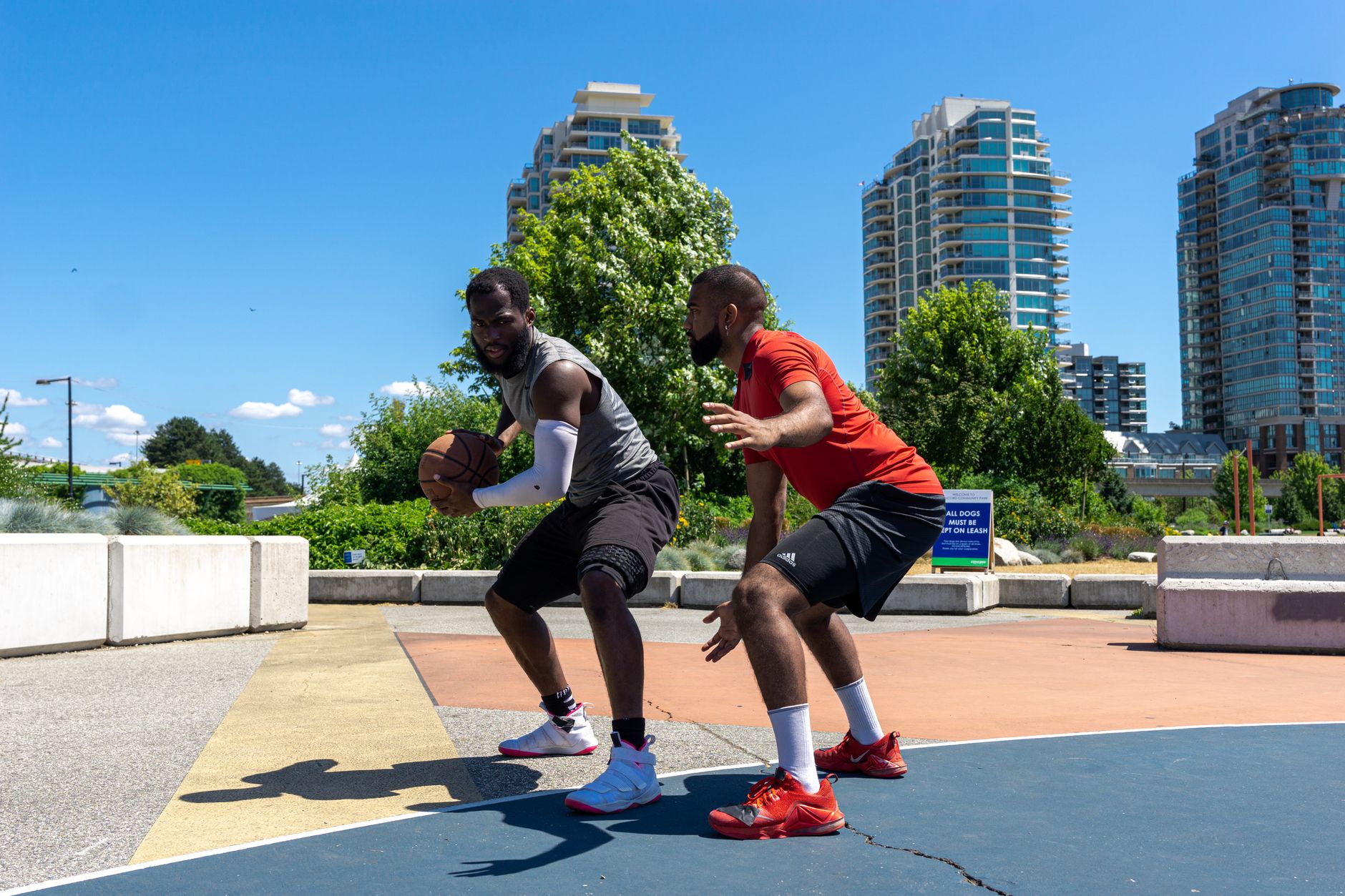
Part of the problem is that NBA defensive philosophy has been so thoroughly reorganized around scheme - drop coverage, ICE, switching - that individual defender quality gets absorbed into the system and anonymized. A team that switches everything doesn’t need to decide who guards whom on the perimeter. Everybody guards everybody. This is fine against average offenses. Against a genuinely elite ball-handler, it’s an abdication masquerading as flexibility.
The other issue is fatigue management, which is real but overapplied. There is a difference between not running your starting center 40 minutes in the regular season and not putting your best wing defender on Shai Gilgeous-Alexander because it’s only Game 2.
What good defensive teams have historically understood - the 2004 Pistons being the obvious reference point - is that wearing down one player psychologically across a series is worth more than distributing defensive energy evenly. Chauncey Billups didn’t guard the third option. That logic hasn’t disappeared. It’s just been deprioritized in an era that rewards switching agility over individual accountability.
The teams that figure this out first in a given series usually win it. That should be a more urgent conversation than it is.