
Somewhere along the way, the backup point guard stopped being a position and became a placeholder. Teams now routinely slot in a combo guard, a shot-creator with no passing instincts, or a defensive specialist who can’t push pace - and call it depth. It isn’t depth. It’s avoidance.
The problem isn’t that teams can’t find backup point guards. It’s that most front offices no longer have a coherent idea of what a backup point guard is supposed to do. The role has been quietly dissolved by positional flexibility rhetoric. When everyone can theoretically play multiple positions, the specific demands of running a second unit - setting tempo, managing the shot clock without burning it, keeping spacing intact when the starters rest - get treated as secondary concerns. They aren’t secondary. They’re the whole job.
Watch any competitive second-unit stretch in a playoff game and the breakdowns almost always start the same way: a guard who can score but can’t read a defence in transition, or one who can defend but slows possessions to a crawl. Both archetypes get used as backup point guards regularly. Neither is one.
The Ball-Handler Confusion
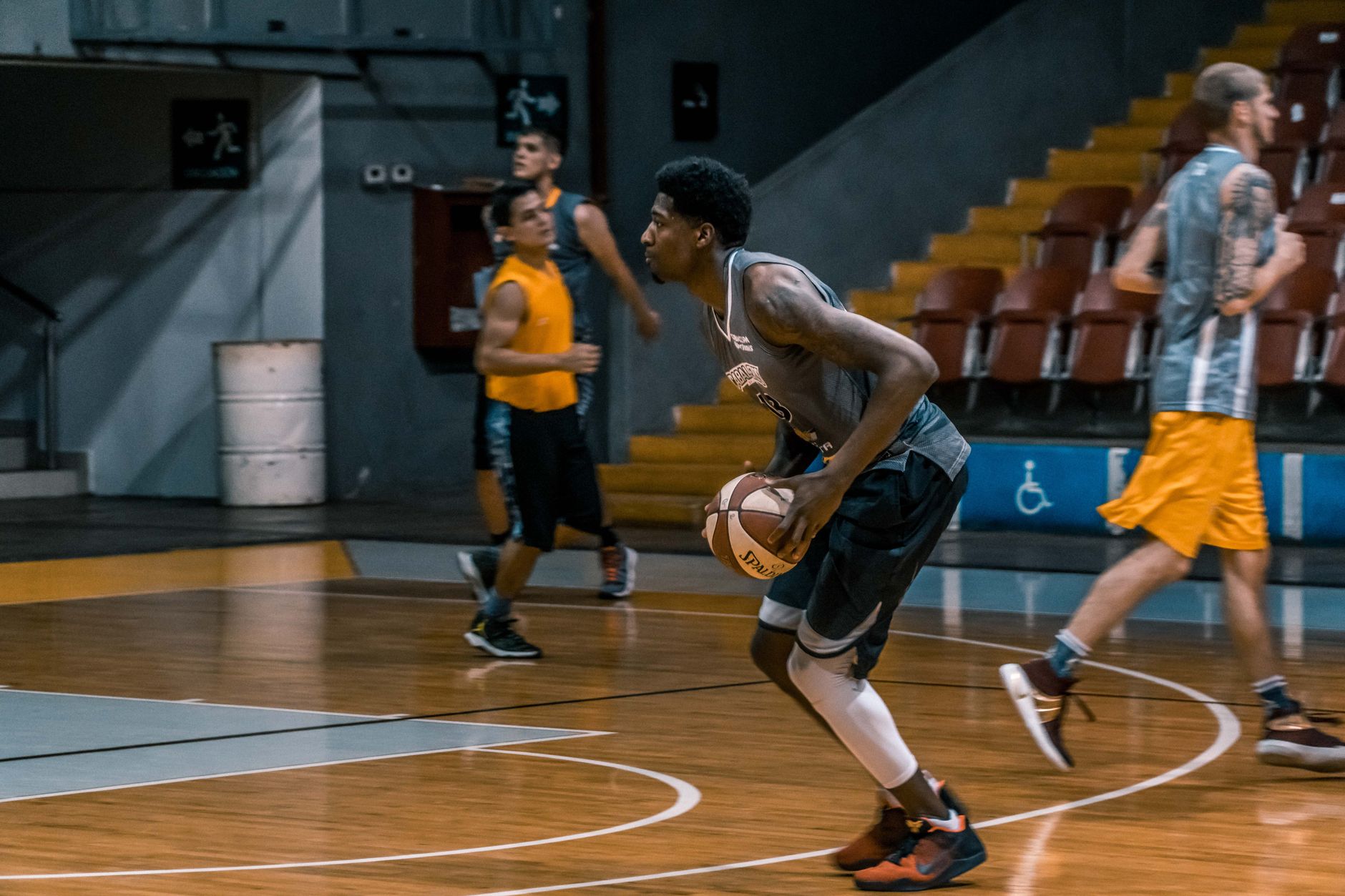
The conflation of shot creation with playmaking is doing real damage here. A player who can create his own shot off the dribble is valuable - but that skill and the ability to orchestrate others are not the same thing and do not reliably co-exist. Teams have increasingly recruited for the former while hoping the latter shows up anyway. It mostly doesn’t.
The EuroLeague has maintained a clearer taxonomy on this. Clubs like Real Madrid and Fenerbahçe have consistently rostered dedicated backup playmakers - players whose primary function is decision-making and pace management, not scoring volume. The results at the second-unit level are visibly more stable.
The Starter Problem
There’s also a subtler issue: when a team’s starting point guard is a dominant ball-handler who controls everything, the backup inherits a unit that doesn’t know how to function without that control. The backup isn’t just replacing a player - they’re replacing a system. Almost no team accounts for this in how they define the backup role or who they hire for it.
Whether that’s a scouting failure or a coaching philosophy failure probably depends on the organisation. But the pattern is consistent enough across the league that blaming individual rosters feels increasingly inadequate as an explanation.