
There is a version of the stretch big that works perfectly. He spaces the floor, pulls a rim-protecting center away from the paint, catches and shoots off a dribble handoff, and occasionally puts the ball on the floor when a closeout is too aggressive. The theory is clean. The execution, across most NBA rosters, is a mess.
The problem is not the players. The last several draft classes have produced forwards who shoot above 36% from three at meaningful volume - genuine threats who demand defensive attention. The problem is that most teams are slotting these players into offensive systems that were designed around a traditional big, then wondering why the spacing looks wrong.
A stretch big is not a power forward who happens to shoot threes. He requires a fundamentally different set of actions around him. He needs more off-ball movement from teammates - guards who cut rather than stand, wings who relocate rather than spot up - because his value is not the shot itself but the space the threat of the shot creates. If your guards are ball-dominant isolation players who don’t read the defense’s reaction to his gravity, you’ve wasted the asset.
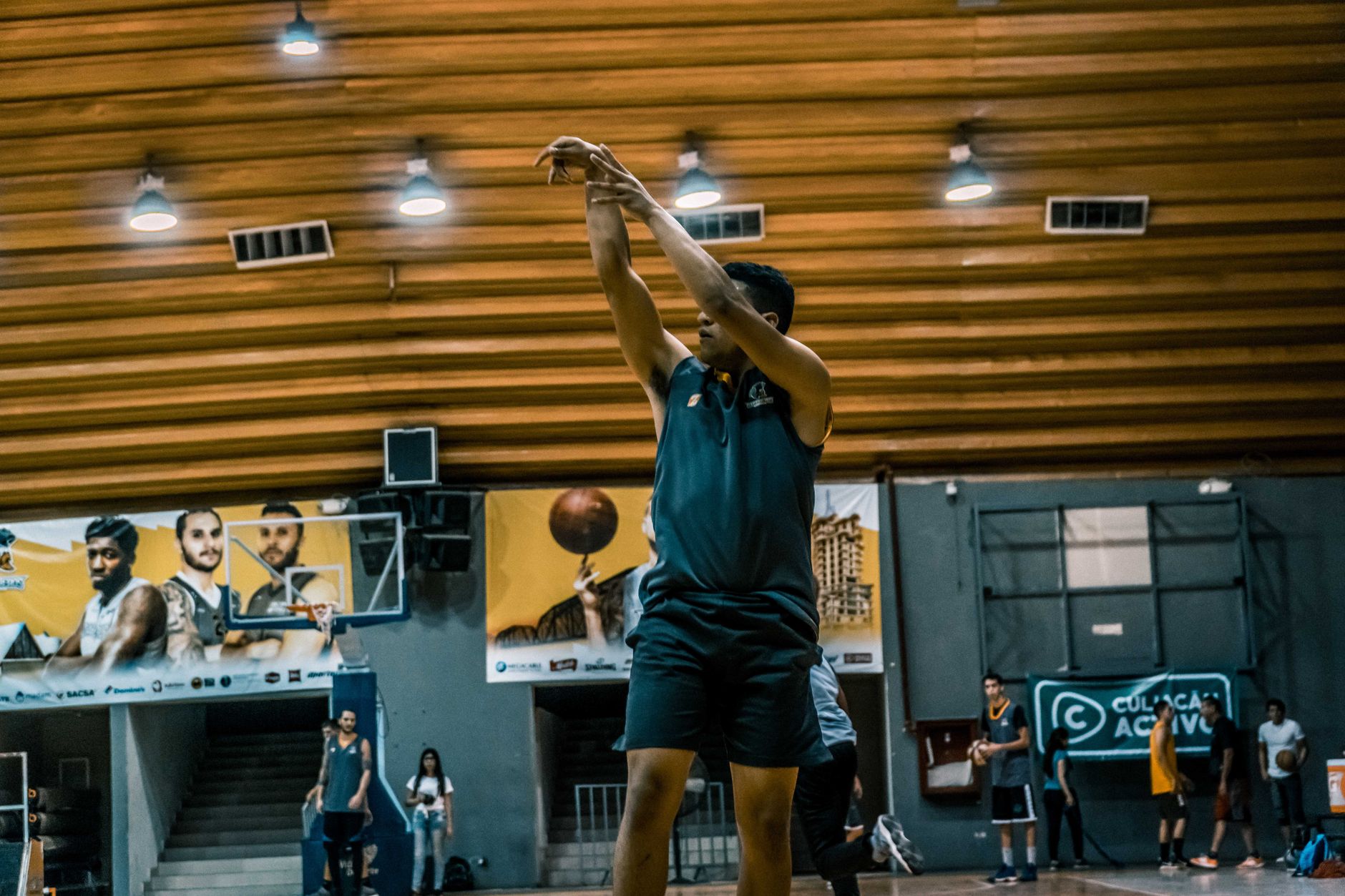
This is more a coaching failure than a personnel one.
The teams that extract the most from that archetype tend to share a trait: their primary ballhandlers are decision-makers first. They use the stretch big as a pressure release valve at the nail or the short corner, then attack whatever the defense concedes. That sequencing - read the help, find the big, attack off the pass - requires guards who think two steps ahead rather than one.
Instead, what you more often see is a stretch big catching the ball on the perimeter with the defense already recovered, taking a contested two, or driving into a crowded lane because there was nothing else to do. That’s not a shooting problem. That’s a system problem.
The draft will keep producing these players because the college and European games keep rewarding them. Scouts are right to value the shooting. But the front offices celebrating those picks should be asking a harder question: does our offensive infrastructure actually deserve this guy? Most of the time, the honest answer is no.