
Every club now has a corner routine with a name, a diagram and a coach attached to it. Almost none of them take the throw-in seriously, and that gap is a matter of taste rather than logic.
A long throw does what a good corner does. It puts the ball into a crowded box from a dead-ball situation, with defenders unsure whether to mark space or bodies. The difference is that a throw can’t be offside, and it can happen forty times a game in the right spot. Nobody needs a left foot that costs £40 million to take one.
Why it still gets sneered at
Rory Delap’s throws at Stoke City became shorthand for a certain kind of English ugliness. Opponents complained, pundits rolled their eyes, and the idea stuck that a team using it was admitting it couldn’t play. I think that reputation did lasting damage to a perfectly legitimate tool. Stoke weren’t winning those points by accident. They had worked out where their advantage was and built around it, which is the whole job of a manager.
The proof is that the sophisticated clubs have moved
Liverpool hired Thomas Grønnemark as a specialist throw-in coach in 2018. Arsenal’s investment in Nicolas Jover, who arrived from Manchester City in 2021, helped make set pieces a defining feature of their attacking identity. These aren’t clubs chasing novelty. They’re clubs that noticed restarts are among the few areas where preparation reliably beats talent.
So the argument is already over at the top. The strange part is how many mid-table sides still shrug when the ball goes out near the opposition box and a centre-back jogs over to take it.
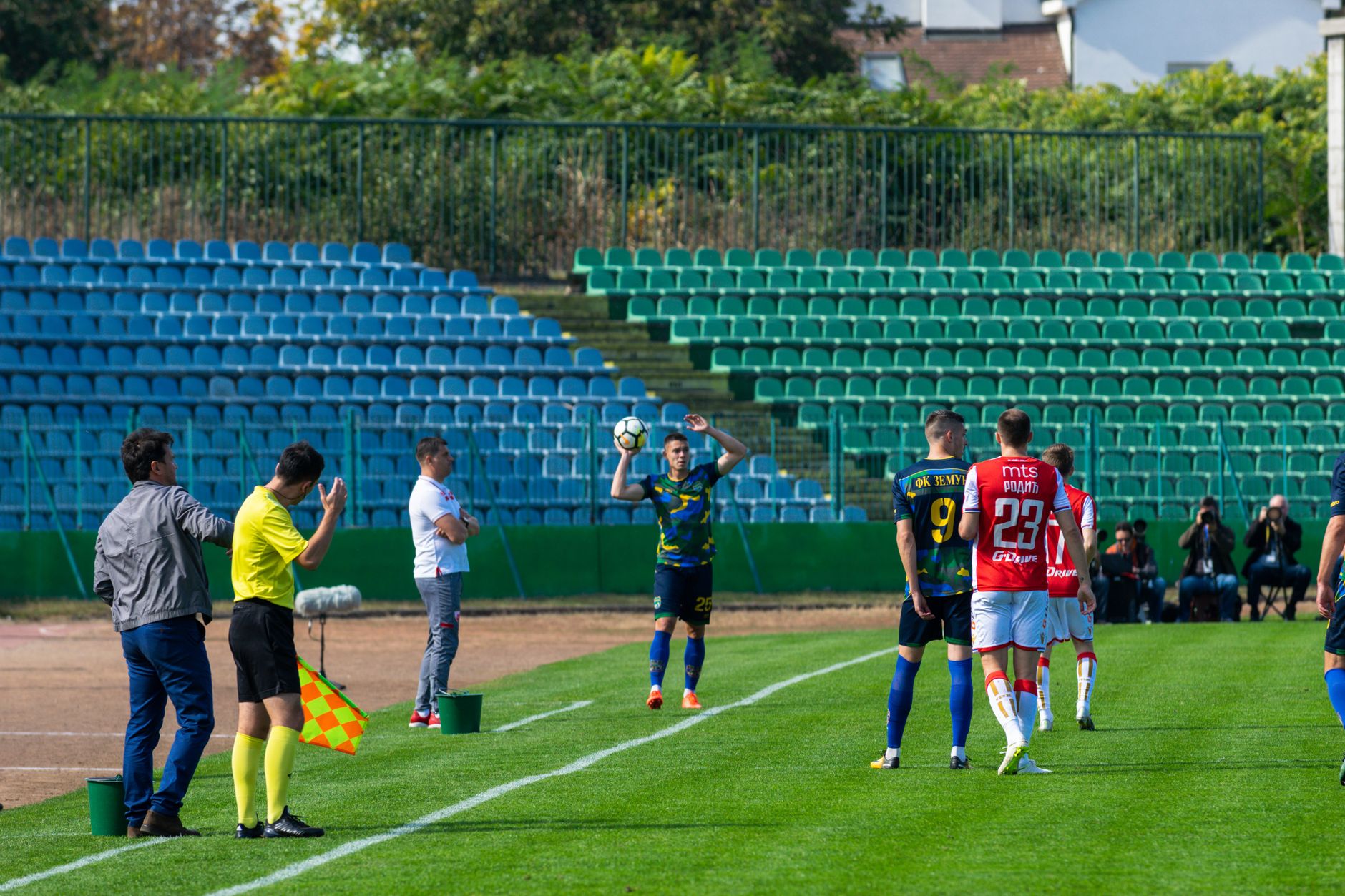
What a proper version looks like
It isn’t just hurling the ball at the penalty spot. It means a thrower who can reach the six-yard box consistently, two or three runners with rehearsed paths, and someone assigned to attack the second ball. The flick-on matters more than the throw itself, and nobody practises that enough.
The goalkeeper is also less comfortable with a throw than with a cross. He can’t easily come for it, and the ball arrives flat and fast. Defenders hate it for the same reason.
Fashion
The objection that remains is about how it looks, and I don’t think that holds up. If a side with a modest budget can turn eight or ten throws a match into real chances, the sneering is a luxury only big squads can afford.