
The template has been broken for roughly two seasons now, and yet the summer window keeps producing the same transactions. Another left-footed winger signed to play right. Another £60 million outlay on a player whose entire output depends on one movement that every organised defensive block now anticipates before he’s received the ball.
The inverted winger was genuinely disruptive when it emerged as a tactical feature in the late 2000s and early 2010s. Robben, Ribéry, Salah - players who received wide, shifted onto their stronger foot, and either shot or combined with an overlapping fullback. Defences at the time were still oriented around tracking runs toward the byline. The diagonal cut toward goal was relatively unguarded because it was relatively uncommon.
That is no longer true.
What Defending Looks Like Now
At the mid-to-upper level of European football, the inverted winger now faces a specific defensive arrangement almost every time he receives possession. The nearside centre-back holds a narrower starting position to cover the cut lane. The defensive midfielder drops to block the pass-and-move combination. The fullback on that side sits deeper and tighter, denying the overlap that used to force a two-v-one decision.
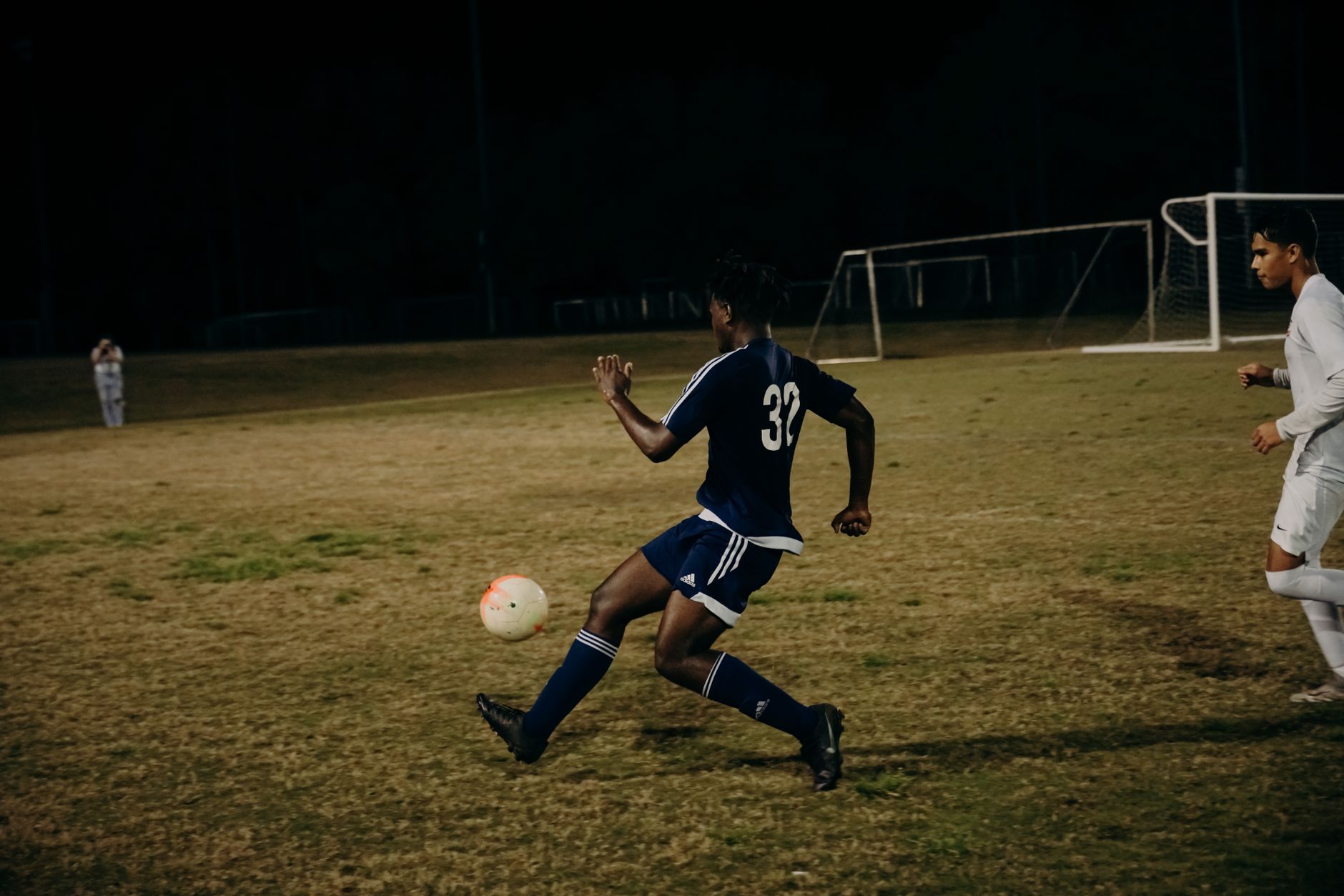
The result is that most inverted wingers operating in tight spaces end up playing sideways or backwards. Their shot numbers have dropped. Their chance creation increasingly comes from recycling possession rather than beating a man. They’ve become wide midfielders wearing the wrong shirt number.
Salah has adapted - he now operates with far more positional fluidity and drops into half-space rather than holding the touchline. But Salah is an exception built on elite physical endurance and nearly a decade of top-level adjustments. Buying someone at 22 and expecting that evolution is not a transfer strategy, it’s a hope.
The Market Hasn’t Caught Up
This is what makes the spending patterns strange. Clubs routinely pay premium fees for players whose value is tied almost entirely to a movement that organised defences now pre-load against. The underlying metrics - progressive carries, shots from outside the box, expected goals from wide positions - have been trending downward for the archetypal inverted wide player for several years. That information is available. Clubs have analytics departments.
The honest explanation is probably that recruitment decisions still respond more to highlight reels and name recognition than to positional trend analysis. A player who cut inside spectacularly against a disorganised side in a cup run looks good on video. He looks considerably less good against a mid-block that has spent the week preparing for exactly that.
The winger position itself isn’t obsolete. The straight-line, beat-your-man-to-the-byline winger is actually undervalued right now, precisely because so many defences have rotated to handle the inverted threat. That’s where the market inefficiency actually sits - not in paying more for the same diagonal.