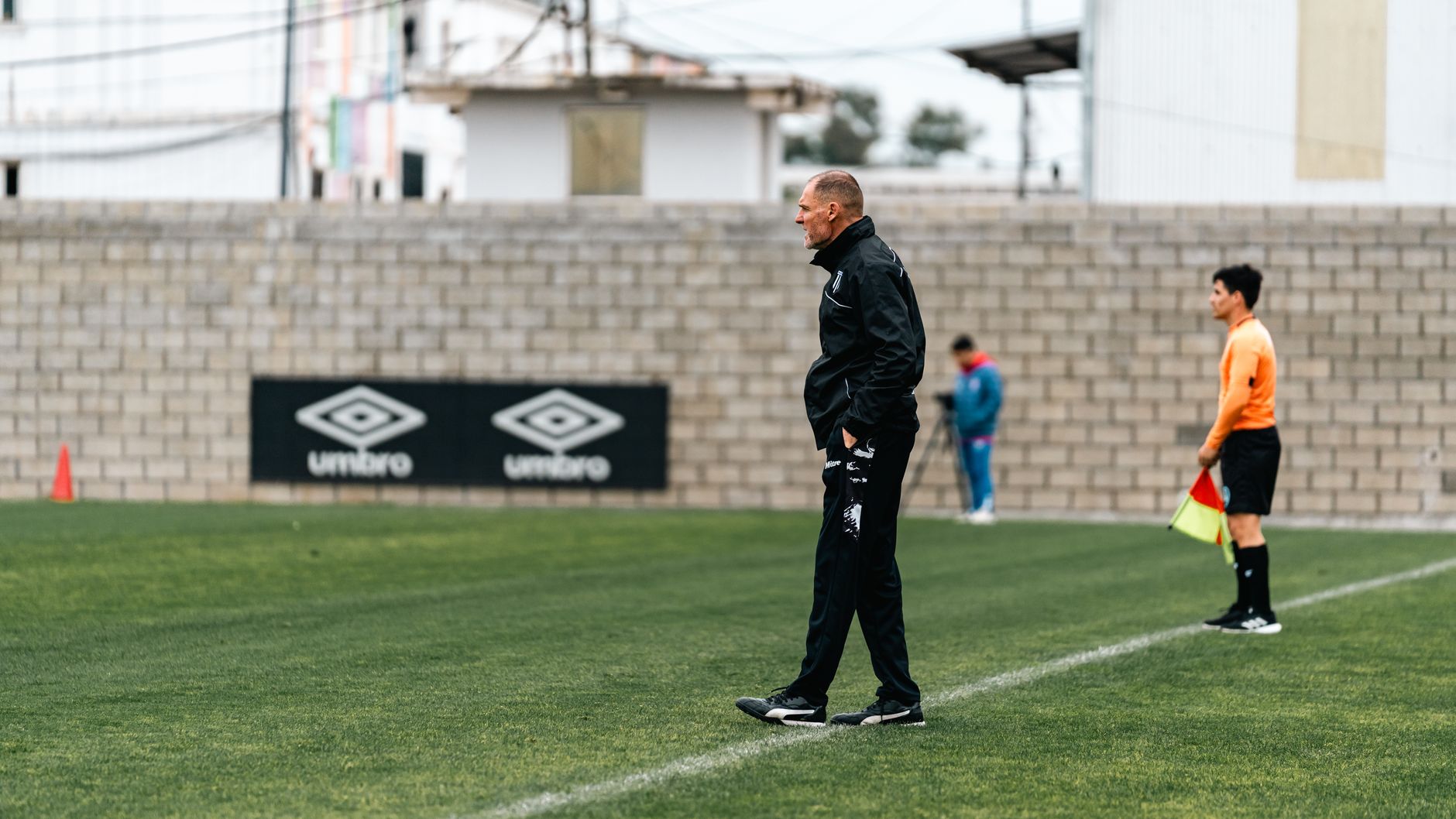
The false nine made sense when Pep Guardiola used Messi in that role at Barcelona between 2009 and 2012. It was disorienting, genuinely novel, and built around a player who was impossible to mark regardless of position. The problem is that the idea has since been borrowed by coaches who don’t have Messi, don’t have a comparable presser, and frankly don’t have a plan beyond “let’s not play a striker.”
Watch a mid-table Premier League side set up with a false nine now and what you’re usually seeing isn’t a sophisticated positional scheme - it’s a manager who couldn’t land a centre-forward in the summer and has dressed up necessity as philosophy. The striker market is genuinely difficult at the top end, expensive and thin, so the temptation to reframe the absence of a target man as an ideological choice is understandable. It’s also dishonest.
What the Role Actually Demands
A functional false nine requires a specific and rare set of attributes. The player needs to be comfortable receiving between the lines with their back to goal, capable of playing the pass that releases runners from midfield, and disciplined enough to vacate space at the right moment rather than clogging the channel they’re supposed to open. That combination - technical quality, spatial intelligence, physical endurance - doesn’t show up in a number ten who’s slightly quicker than your other options.
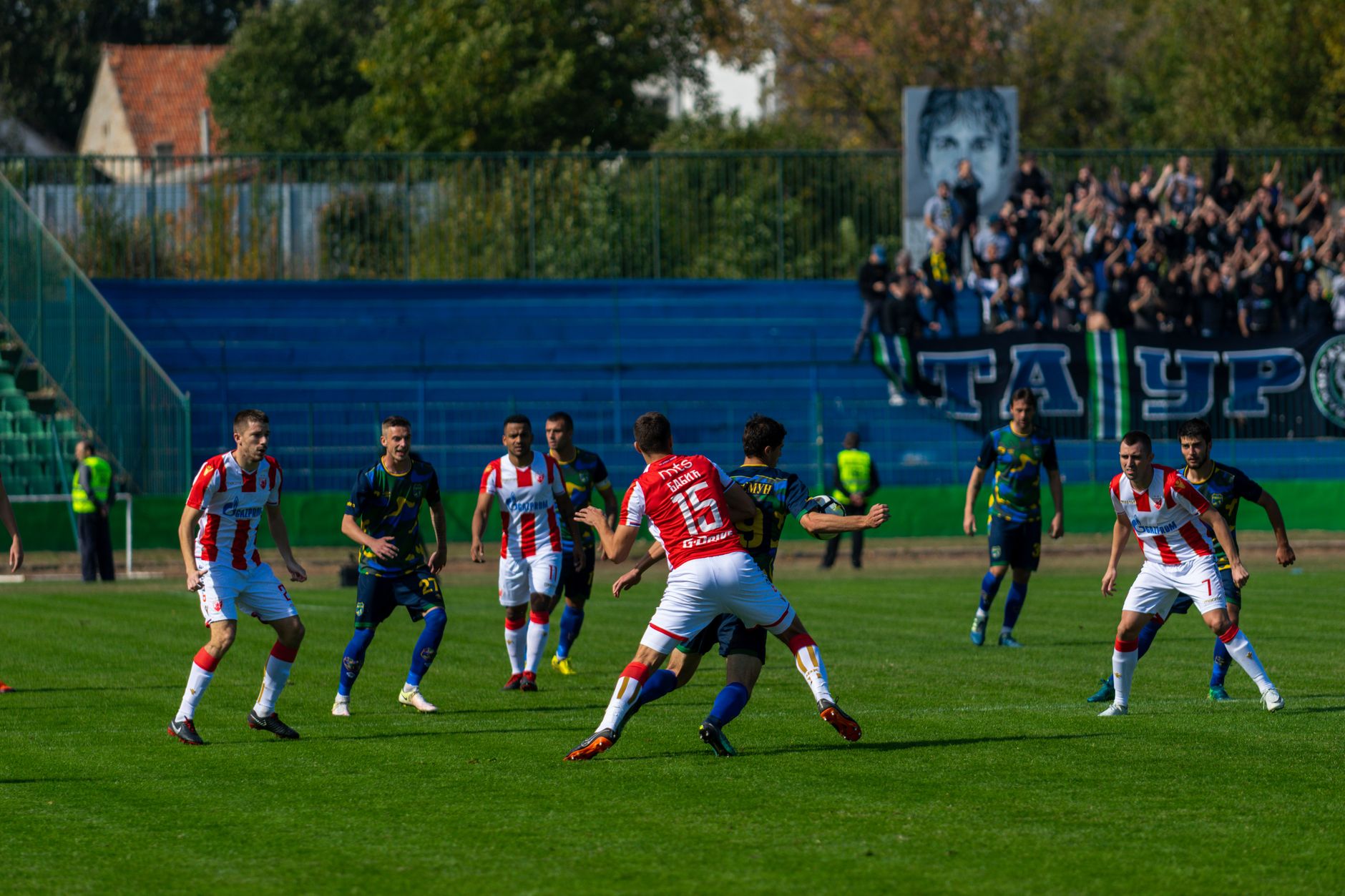
Most teams using the system right now are getting a player who drops deep, loses the ball in congested central areas, and leaves the forward line effectively empty. The runs from midfield that the false nine is supposed to trigger never arrive because those midfielders aren’t being asked to make them. The shape becomes passive rather than fluid.
The Disguise Is Wearing Thin
When a team plays with a false nine and generates almost nothing from open play, the conversation afterwards tends to focus on final-third execution or midfield creativity. Rarely does anyone say plainly: this team doesn’t have a striker and the tactical framework they’ve chosen doesn’t compensate for that. It just obscures it.
The teams who use the false nine effectively - and they do exist - tend to have attacking midfielders who already make forward runs habitually, a goalkeeper comfortable distributing quickly into space, and wingers who can convert. That’s a specific roster construction, not a plug-and-play solution for a threadbare attack.
The false nine isn’t broken as a concept. It’s being used as a polite way of saying nothing went right in the transfer window.