
The false nine has accumulated a reputation it doesn’t quite deserve. Coaches reach for it the way politicians reach for vague language - it sounds sophisticated, it implies forethought, and it conveniently obscures the problem underneath.
The problem, almost always, is a striker.
When Pep Guardiola deployed Messi as a false nine at Barcelona in 2008–09, it wasn’t because the position was philosophically superior. It was because Messi - by that point playing effectively between the lines anyway - was the best footballer on earth and needed a structure built around his movement. The tactic followed the player. That’s the correct order of operations.
What’s happened since is that the false nine has been inverted. Managers without a reliable number nine now treat the position as a design choice rather than a workaround. The result is sides that ask an attacking midfielder to do the hardest physical work in the final third - hold up play, draw centre-backs, create space - without any of the body type or instinct that makes those actions repeatable under pressure.
The Defensive Side Nobody Mentions
Strong centre-forwards do something for a team that gets almost no tactical coverage: they give defenders a fixed reference point. When there’s a genuine striker on the pitch, centre-backs spend the entire game managing their position relative to that threat. Remove the striker and those same defenders suddenly have 30% more freedom to step into midfield, engage higher, and kill attacks before they develop.
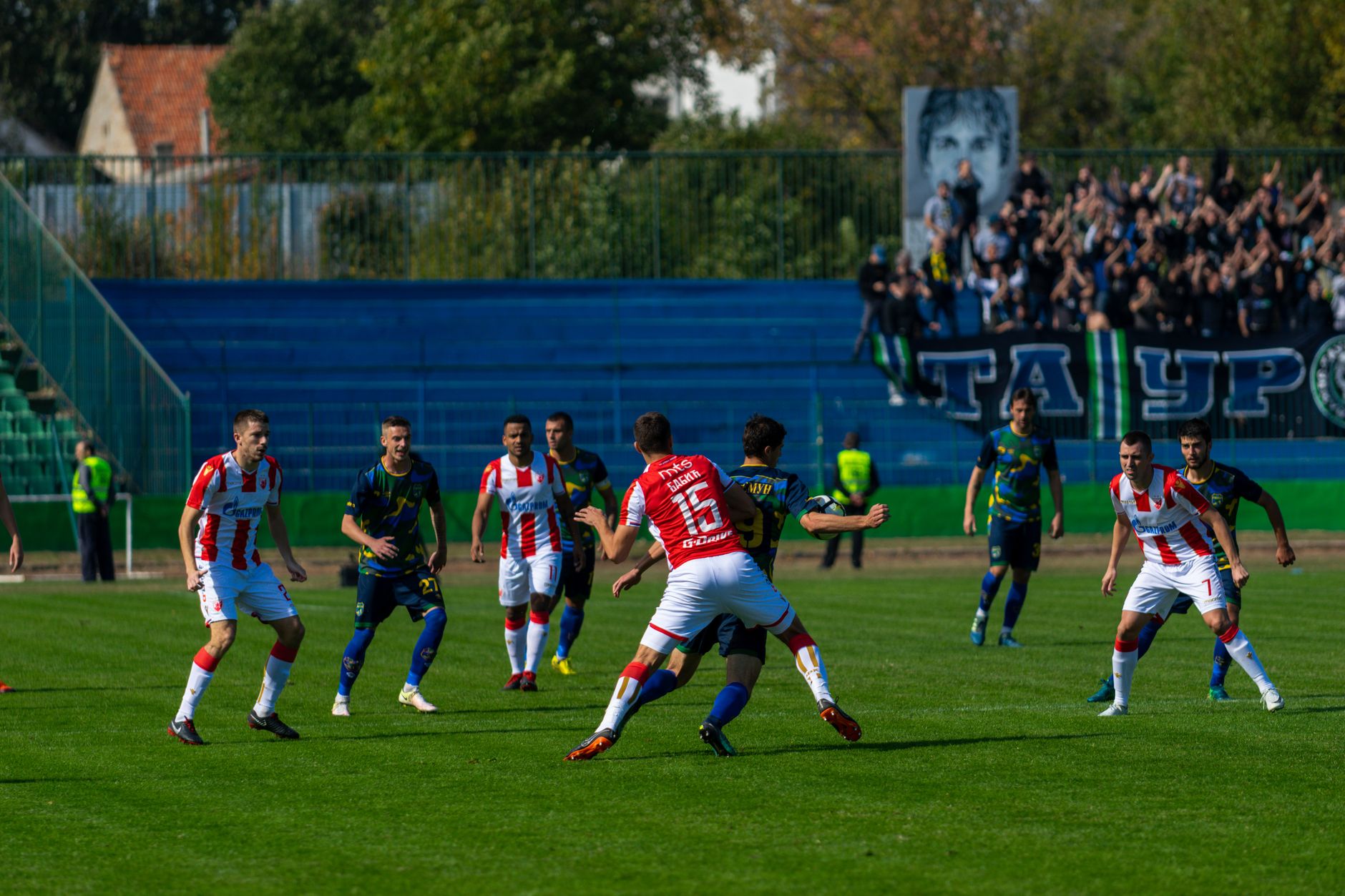
The false nine, in practice, often gives the opposition’s defensive line an easier night than anyone admits after the match.
What Happened to Trusting the Striker
Part of the problem is aesthetic. A striker who runs channels, holds up play, and scores tap-ins does not generate compelling post-match analysis. A number ten drifting into pockets of space generates the kind of positioning maps that look good on coaching presentations.
But football doesn’t reward complexity of appearance. It rewards goals and defensive solidity, neither of which the false nine reliably produces more of than a competent orthodox striker when that striker exists.
The clubs doing it well right now - and there are a few - all share the same underlying truth: they have a player who genuinely thrives in the role rather than a player who happens to be available for it. That’s not the false nine as a tactic. That’s just good squad management dressed up in tactical language.
The rest are just confessing in public.