
The false nine never really went away, but it’s having another moment. Managers short on centre-forwards, or convinced their attackers are too intelligent to be pinned to a penalty area, keep reaching for it as though it’s an innovation rather than a compromise.
The logic is seductive: pull the opposing centre-backs out of position, create overloads in midfield, generate chaos in the spaces behind. When it works - and it did work, genuinely, in the hands of Pep Guardiola with Messi at Barcelona - the result is almost hypnotic. But that version of the system required Messi, which somewhat limits its universality as a template.
What gets ignored is the defensive math
When your nominal striker drops deep, you’ve essentially removed a permanent threat from behind the defensive line. Good centre-backs have figured this out. They don’t follow anymore. They hold, they compress, and they let your ‘striker’ drift into traffic 35 yards from goal where he becomes a midfielder in a slightly more expensive shirt.
The teams that punish this most efficiently are the ones playing with two compact banks of four and a willingness to let you have the ball in front of them. There’s no run to track, no second ball to contest in the box, no aerial duel to manage. The centre-backs spend 70 minutes doing almost nothing, and then break on the counter with four players against three.
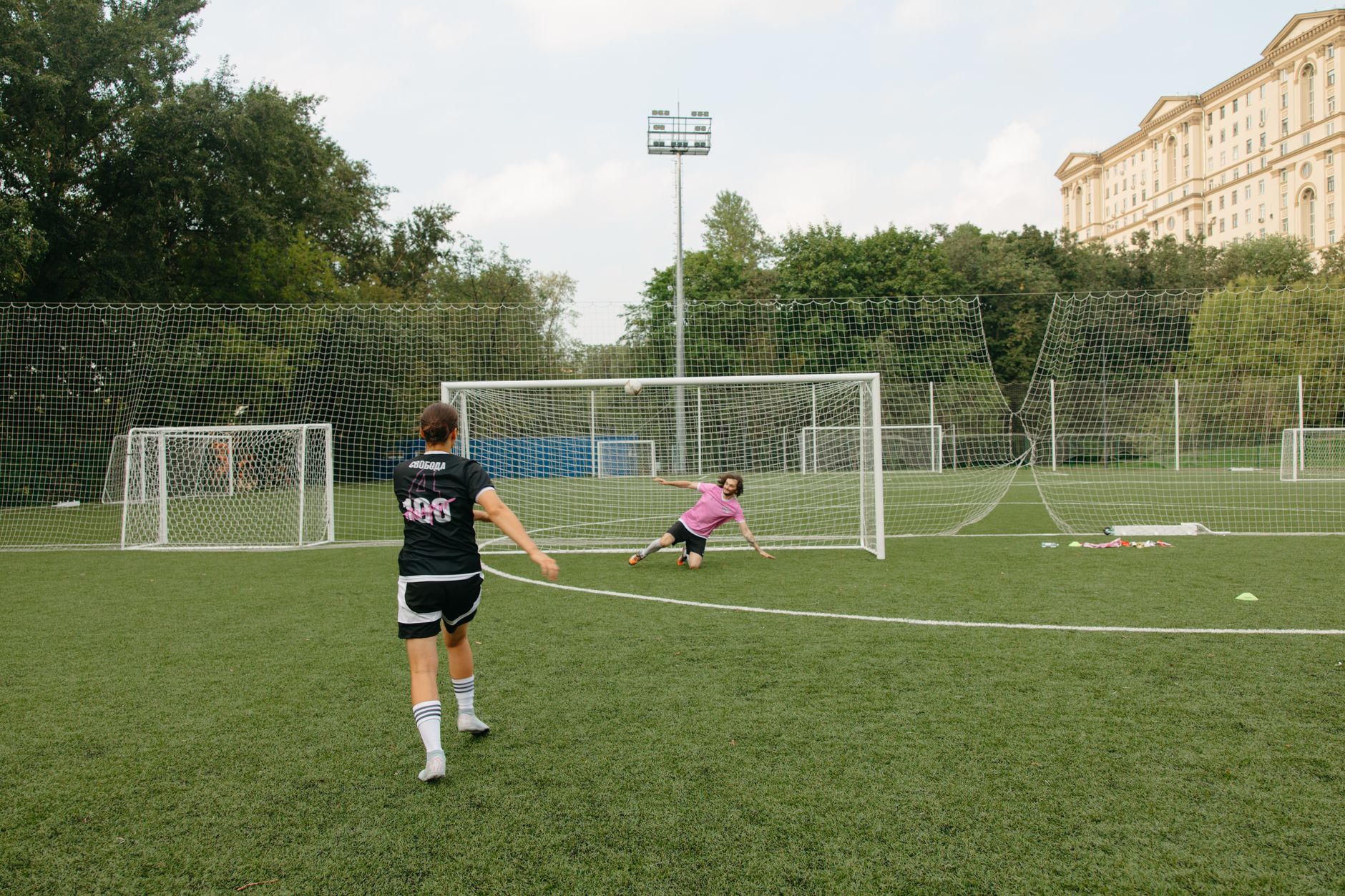
This isn’t a new observation. But the response to it in coaching circles has been surprisingly slow.
The personnel problem
Part of what keeps the false nine circulating is a genuine scarcity of traditional centre-forwards at the top level. Clubs developing technically refined academy players across Europe have spent a decade producing midfielders and wide forwards who are comfortable in tight spaces. The penalty-box predator - physically imposing, instinctive, spatially fixed - is genuinely rarer than he was twenty years ago.
So the false nine sometimes gets deployed not out of tactical conviction but because the roster doesn’t offer anything better. That’s a transfer and development failure being rebranded as a system.
The tell is what happens when a team using the false nine goes a goal down. The shape collapses almost immediately. A target man gets introduced. Balls start going longer. The ‘system’ evaporates inside fifteen minutes because it was never really a system - it was a way of making the best of a thin squad while pretending otherwise.