
There is a particular kind of defensive panic that happens when a striker refuses to be where he is supposed to be. Centre-backs are trained, almost instinctively, to hold a line and track a runner. When there is no runner - when the number nine drops forty metres to receive possession between the lines - that instinct becomes a liability.
The false nine never really disappeared, but it was largely defanged through the mid-2020s as high defensive lines and aggressively man-marking fullbacks made the role unsustainable. The striker who dropped deep simply pulled a centre-back out of position, but teams adjusted: they pushed their defensive shape higher and collapsed the space before the ball even arrived. It worked well enough that the role felt like a relic.
What has changed is the defensive structure underneath. The trend across Europe’s top leagues over the past eighteen months has tilted back toward compact mid-blocks and low-blocks. Teams are sitting deeper, conceding possession more willingly, and trusting that they can absorb pressure and hit on the counter. That shape is tactically coherent - against orthodox strikers.
Against a genuine false nine, it is a mess.
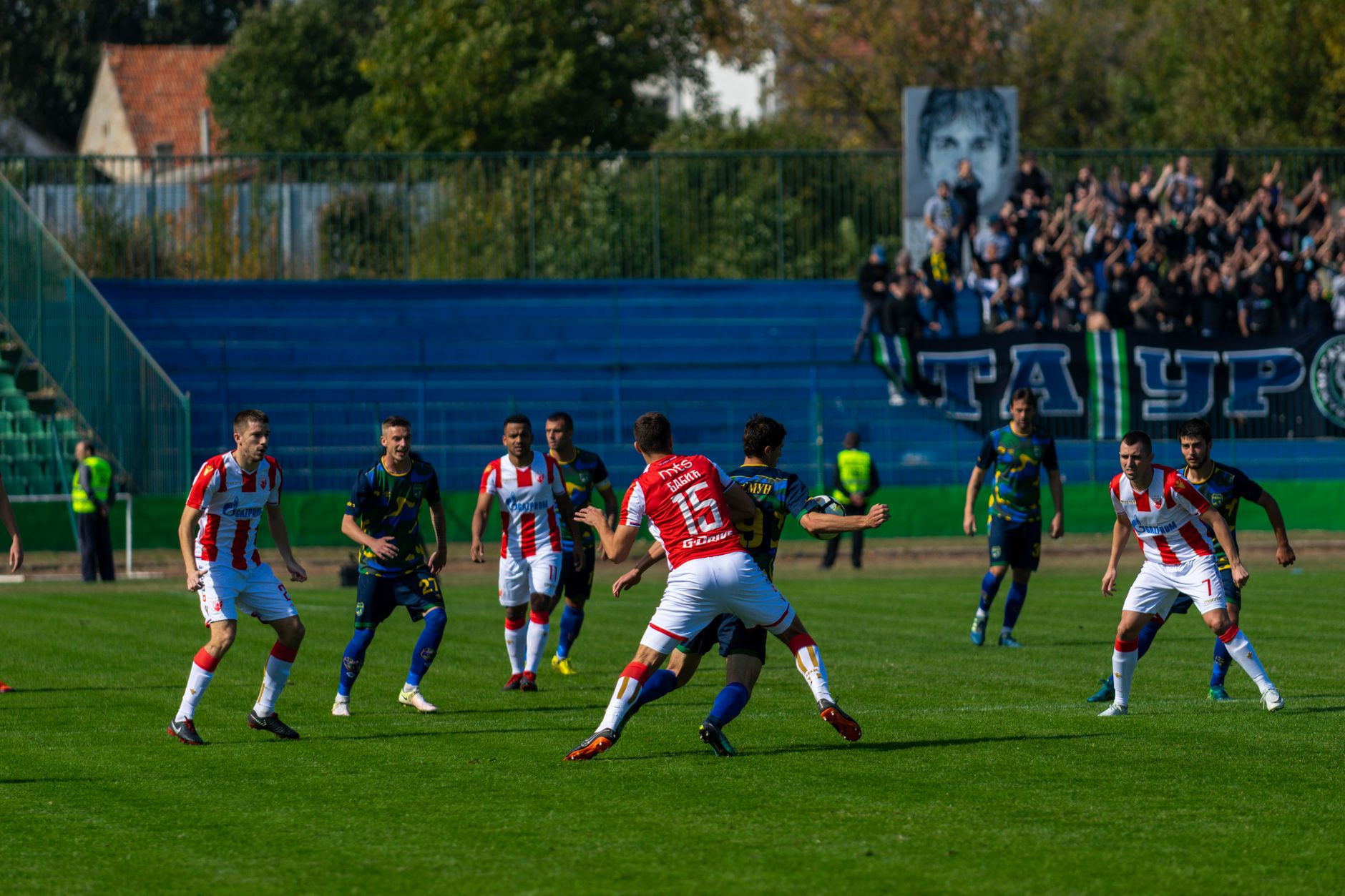
A low-block depends on short, dense lines with minimal space between the defensive and midfield units. The false nine exploits exactly that corridor. Dropping into the gap invites a centre-back to follow - and if he does, he vacates space for runners arriving late from midfield. If he doesn’t follow, the false nine receives freely and turns. Neither option is good. The low-block was designed to limit crosses and long shots, not to handle a technically gifted player receiving on the half-turn twelve yards outside the box with time to pick a pass.
What makes this iteration of the role more awkward to manage is that it is being used by managers who build entire systems around it rather than treating it as a game-by-game tactical wrinkle. When a full squad’s movement patterns - the overlapping runs, the inverted wingers, the late arrivals from eight - are all designed to feed off what a false nine creates, defending it requires the opposition to essentially restructure their entire setup, not just adjust marking responsibilities.
Most teams, mid-season, with a settled shape, are not going to do that.
The false nine works right now because defending has become formulaic again. The moment coaches genuinely commit to solving it - rather than hoping their centre-backs figure it out in real time - the window will close. Until then, the role is quietly having its best moment since 2011.