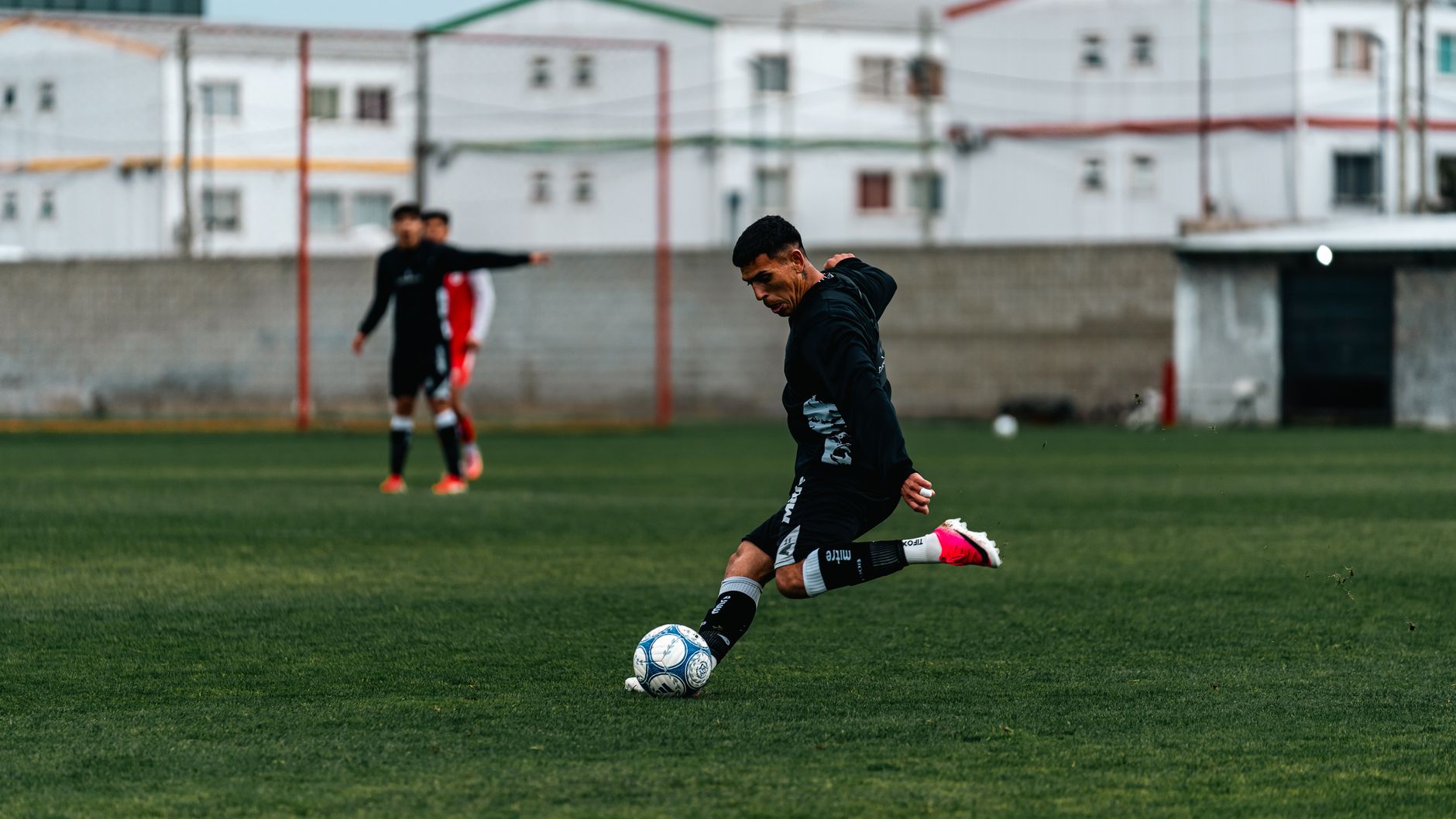
The false nine never really went away. It retreated into tactical fashion cycles the way certain formations do - discredited by one high-profile failure, filed under ‘solved,’ and then quietly rehabilitated once enough defenders stopped training against it. Right now, across the top European leagues, the role is being used more aggressively than at any point since roughly 2012, and the defensive responses look almost as confused as they did then.
The core problem for centre-backs is unchanged: a striker who drops deep forces them into a decision with no clean answer. Follow the runner and you open the channel in behind for the midfield runners arriving late. Hold your line and you gift the false nine thirty yards of space to operate in, which - if he’s technically capable - is essentially a free pass into the game’s most dangerous areas. The elegant version of this dilemma was Messi under Pep Guardiola at Barcelona. But the principle doesn’t require Messi. It requires a forward smart enough to time the drop and a midfield disciplined enough to exploit the void he creates.
What’s changed since the first wave is less the role itself and more who’s being asked to fill it. The classic false nine was a creative player shoehorned into a striker’s jersey. The current iteration tends to be a striker who has had creation coached into him - someone whose movement still reads as a threat inside the box until the moment it doesn’t. That ambiguity is harder to read than a pure technician dropping off the line, because the defensive instinct to track goalscorers is much stronger than the instinct to follow playmakers.
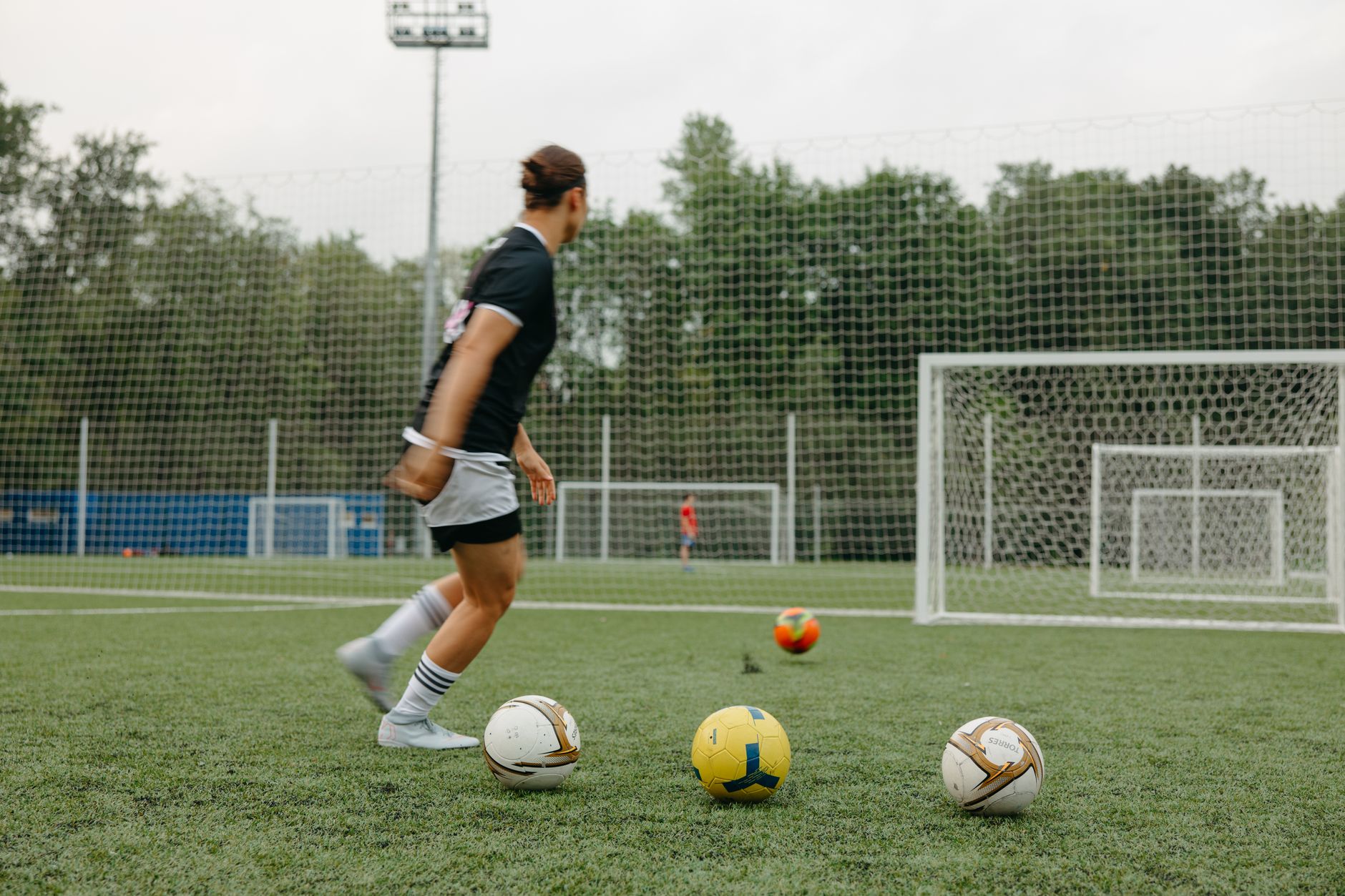
The mid-block, which became the default answer to high-press football over the last several years, turns out to be genuinely bad at handling this. It compresses space but requires the defensive shape to hold its structure, and a false nine operating between the lines is specifically designed to pull that structure apart horizontally before the midfield line can recover.
What nobody seems to have settled on is whether the answer is a man-oriented centre-back willing to follow runners into midfield - which creates other problems - or a defensive midfielder with the positional intelligence to fill that space before the false nine gets there. Both options have been tried. Neither has stuck as a consensus solution.
Maybe that’s the point. The false nine keeps returning precisely because the defensive answer requires more coordination than most backlines can sustain for ninety minutes.