
The assumption that the false nine was a solved problem always said more about defensive complacency than tactical evolution. For a few years after Guardiola’s Barcelona peak, the thinking was settled: drop a midfield line deep enough, deny the central pockets, and the movement becomes harmless. That worked well enough when teams stopped investing in players who could actually execute the role. Now they have again, and the defensive answers haven’t kept pace.
What makes the current iteration more difficult than the 2009–2012 version is how it’s being layered with positional overloads that weren’t common then. The classic false nine relied on a central void that arriving midfielders could exploit. Modern deployments are doing something more disorienting - the striker drops, but the wide forwards don’t tuck in symmetrically. One inverts, one holds width, and the full-back on the wide side is immediately in a decision that doesn’t have a clean answer. Press the dropping striker and you’re exposed in behind. Hold your line and the striker receives in space with time to turn.
The clubs using this most effectively right now aren’t reinventing anything philosophically. They’re just finding players with the specific movement profile it demands - someone who can read when to drop early versus when to time the run late, who can play as a link and still threaten the channel. That profile is rarer than it sounds. A lot of number nines can drop and hold. Very few can do that and still be the most dangerous player on the pitch in the final twenty minutes.
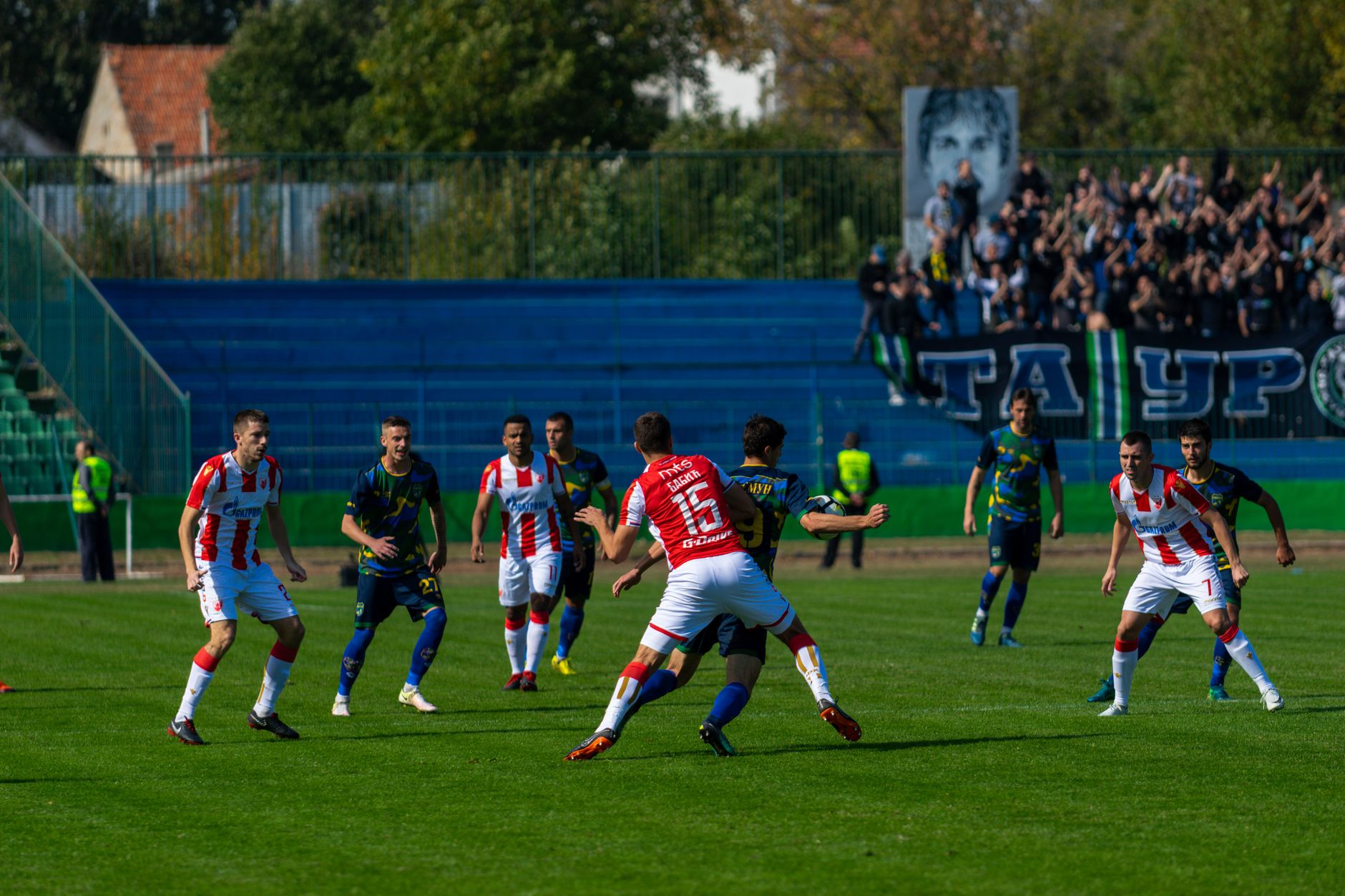
The defensive adjustment that isn’t coming
Most top-level managers are still trying to solve this with a high line and aggressive man-marking on the dropping player. That’s the same approach that got cut apart in multiple European knockout ties last season. The counter isn’t complicated - it’s a third midfielder tracking box-to-box runs - but it costs you something in possession phases, and coaches are reluctant to make that trade.
The teams getting hurt most are those playing a rigid 4-3-3 with a single pivot. The pivot ends up accountable for three different movement patterns simultaneously, and that’s a structural problem no individual player solves by working harder.
Someone will find the right balance eventually. Until then, expect the false nine to keep collecting confused back lines and post-match tactical euphemisms from managers who didn’t see it coming.