
Nobody can buy a pressing system off the shelf, and nobody can fake chemistry in a front three. A corner routine can be drilled in a week, and it costs a fraction of a winger’s wages. That makes set pieces the last genuinely cheap edge in the sport, and the clubs that still file them under “extras” are leaving points on the training pitch.
The early adopters were treated as eccentrics. When Liverpool brought in Thomas Grønnemark as a throw-in coach in 2018, plenty of people laughed. The laughing stopped once Liverpool were winning the league and nobody could say the throw-in work hadn’t helped. Arsenal’s use of a dedicated set-piece coach, Nicolas Jover, who came over from Manchester City, followed the same arc. First it was mocked, then it was copied.
The criticism is lazy
The standard complaint is that set-piece goals are “not proper football.” I think that’s backwards. A well-designed corner involves blocking angles, decoy runs, timing, delivery technique and a clear read of the opposition’s marking scheme. That is tactics, and it is more rehearsed than most open-play patterns.
The legitimate gripe is narrower: the treatment of goalkeepers. Crowding a keeper’s six-yard box is a design choice, and referees police it inconsistently. That is an officiating problem, not proof that set-piece coaching has gone too far.
What it changes in recruitment
The interesting effect is on who gets signed. A centre-back who is average on the ball but wins aerial duels at both ends now has a clear role. A full-back with a repeatable delivery is worth more to a mid-table side than a flashier dribbler who offers little in dead-ball situations. I’d argue that some of the best-value transfers in recent years were players whose set-piece value never showed up in the highlights.
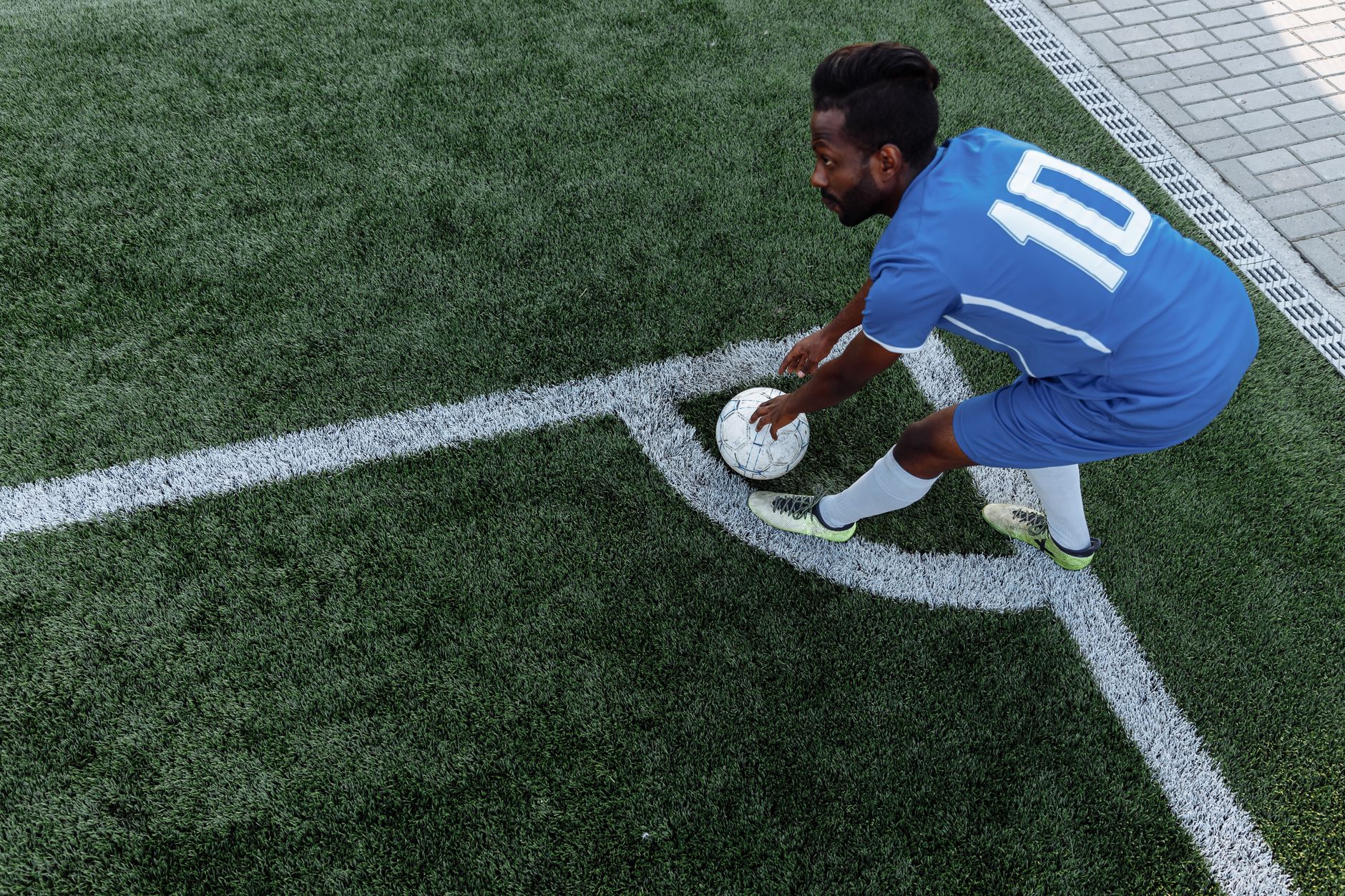
The defensive side is neglected
Most of the attention goes to attacking routines, but defending corners is where I suspect many clubs are most careless. Zonal, man-marking and hybrid systems each have known weaknesses, and teams often stick with one out of habit rather than because it suits their personnel. If your best header of the ball is stationed on the edge of the area, your system is wrong.
The short version
If a club is spending eight figures on a squad player but not employing a dedicated set-piece specialist, its priorities are upside down.