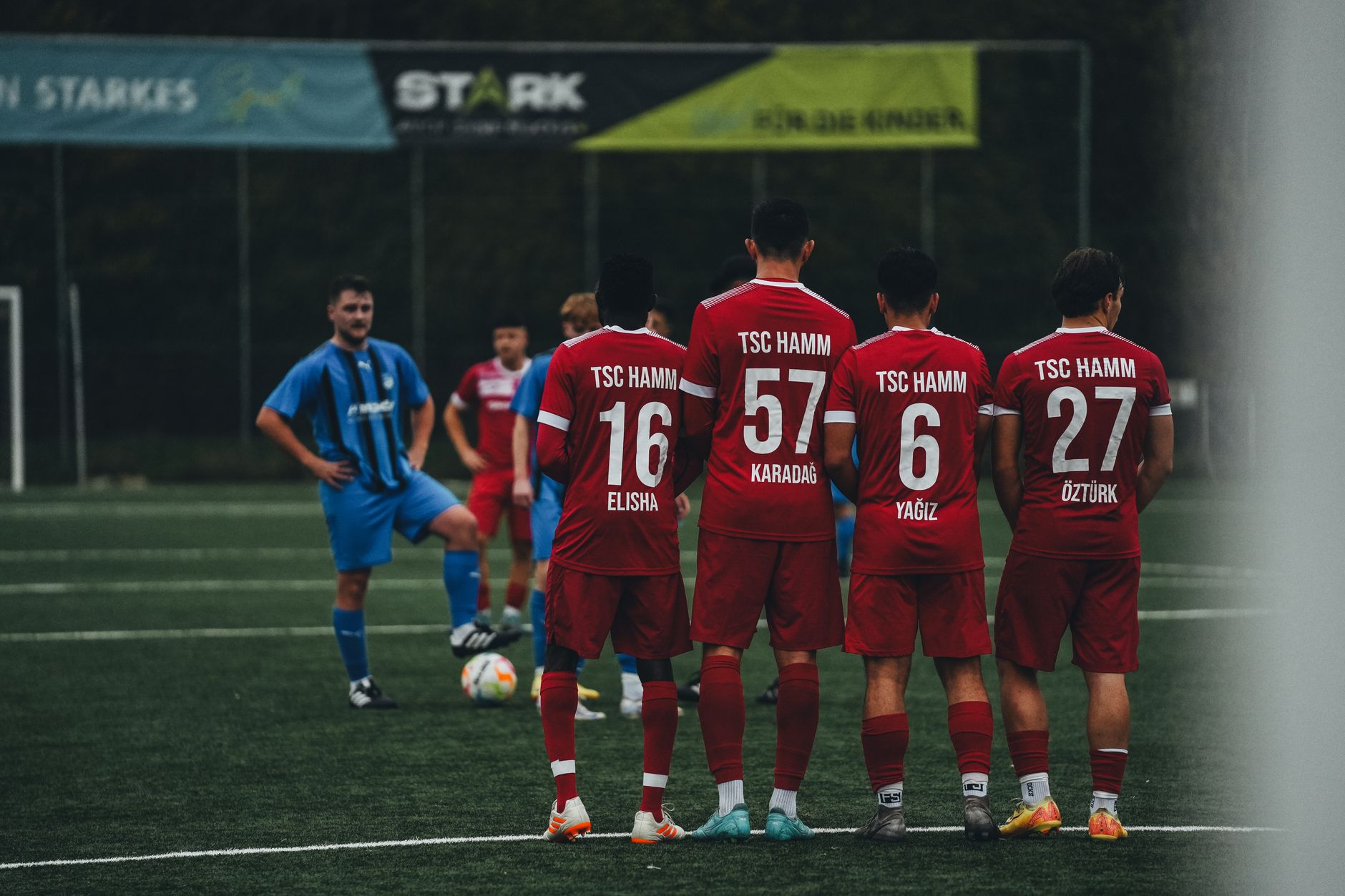
Roughly a third of all goals in top European football come from set pieces. That figure has been consistent enough across multiple seasons that it stopped being a surprise years ago. What remains surprising is how few clubs treat set-piece coaching as a genuine hiring priority rather than something the assistant manager handles between sessions.
Brentford built an entire top-flight identity around this. Their rise under Thomas Frank was partly predicated on the kind of meticulous dead-ball work - blocking runners, specific delivery zones, rehearsed second-ball positions - that most clubs treat as supplementary. They weren’t doing anything physically extraordinary. They were just more organised and more deliberate than the teams finishing above them on paper.
The problem elsewhere is structural. Set-piece coaching at most clubs is absorbed into the broader attacking or defensive brief of an existing staff member. It rarely gets a dedicated analyst, rarely gets standalone session time, and almost never influences player recruitment in any meaningful way. Clubs will pay £60 million for a striker with questionable movement off the ball before they spend serious money on a specialist whose work could yield eight to twelve additional goals per season from situations they’re already involved in every match.
Why the Resistance Persists
Part of it is aesthetic. Set-piece goals - especially from corners or direct free kicks - are still quietly treated as lesser by a certain kind of coaching culture that prizes fluid positional play. There’s a lingering belief, particularly in clubs that have adopted heavy pressing philosophies, that if the system is working, the set pieces will take care of themselves.

They won’t. Pressing and dead-ball organisation are not in competition with each other. They operate in entirely separate phases of the game.
The clubs winning set-piece battles consistently - Manchester City under Guardiola have been particularly effective from corners when they’ve committed to it, and Liverpool’s deliveries into specific zones have become more structured in recent cycles - aren’t abandoning their open-play identity. They’re simply refusing to leave goals on the pitch.
The Transfer Angle
Where this matters most is recruitment. Clubs scout crossing ability, shooting technique, and pressing intensity. Very few scout set-piece IQ as a discrete quality - the ability to time a run, screen a marker, or occupy a specific zone on a corner routine. It’s almost entirely absent from recruitment briefs.
That gap is real money left unspent in the most literal sense. And it’s one that analytically progressive clubs are still only partially filling.