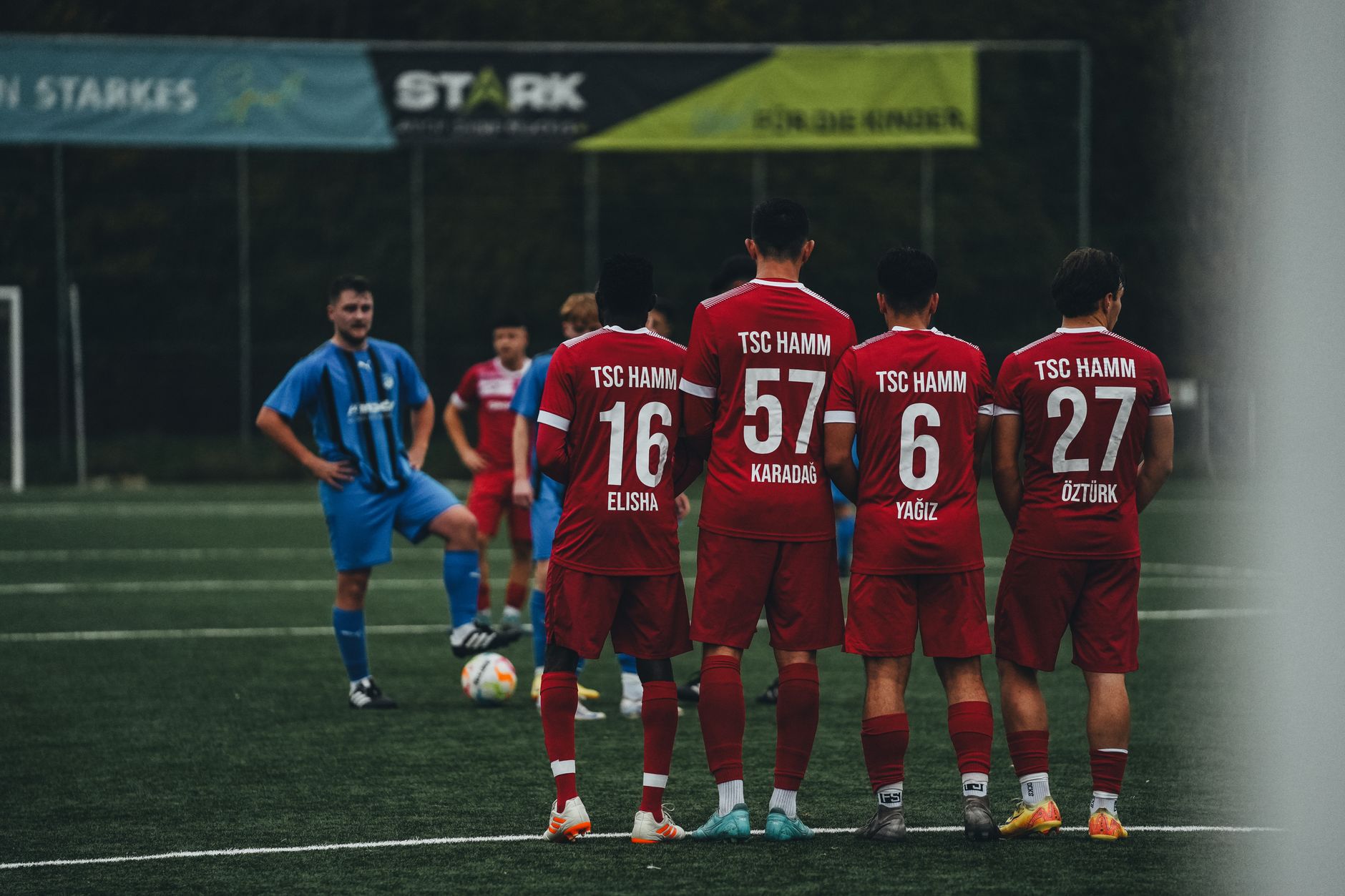
Roughly a third of all goals in top European leagues come from set-pieces. That figure has been consistent enough across multiple seasons that it stopped being a novelty stat and became a structural fact about how football produces goals. And yet the majority of clubs still treat set-piece preparation as something a first-team coach handles in a Thursday session between shape work and rondos.
Brentford changed the conversation when they hired a dedicated set-piece coach and turned dead balls into a genuine systemic weapon - not just for corners, but for throw-ins deep in opposition territory, free kicks in wide areas, even goal kicks structured to trigger pressing traps. The results were visible and repeatable. Other clubs noticed. Some hired analysts. A few brought in specialists. But the broader shift in how the role is valued - in terms of salary, seniority, and involvement in squad planning - hasn’t followed.
The Problem Isn’t Awareness
Every sporting director in Europe’s top five leagues knows the numbers at this point. Expected goals models have been incorporating set-piece value for years. Clubs can tell you which of their centre-backs generates the highest xG threat from corners, or which delivery angle from a left-sided free kick produces the best second-ball outcomes. The data infrastructure exists.

What hasn’t changed is the org chart. Set-piece coaches, where they exist, typically sit below the assistant manager in the staff hierarchy, which means their recommendations get filtered, delayed, or quietly dropped when the head coach disagrees. If the head coach doesn’t want to drill a particular routine for fifteen minutes on a Friday, it doesn’t get drilled. The specialist’s expertise hits a ceiling imposed by traditional coaching structure.
This Is a Transfer Market Problem Too
Clubs spend heavily on attackers with pace, technique, or pressing intensity - all open-play attributes - while the ability to attack a near-post delivery at the right moment rarely features seriously in a recruitment profile. A player who consistently loses their marker from corners and attacks the ball with timing and conviction is contributing something measurable and repeatable. That profile doesn’t show up in a highlights reel, so it doesn’t drive a transfer fee.
Set-piece delivery is similarly underweighted. Left-footers who can whip the ball to the far post at precise height and pace are genuinely scarce, and clubs tend to discover that scarcity only after they’ve already built a corner routine that relies on it.
The gap between how much clubs understand about set-pieces analytically and how much they’ve actually restructured around that understanding is still striking. It’s the kind of gap that probably won’t close until a Champions League is won or lost on it - and even then, the lesson might only last one transfer window.