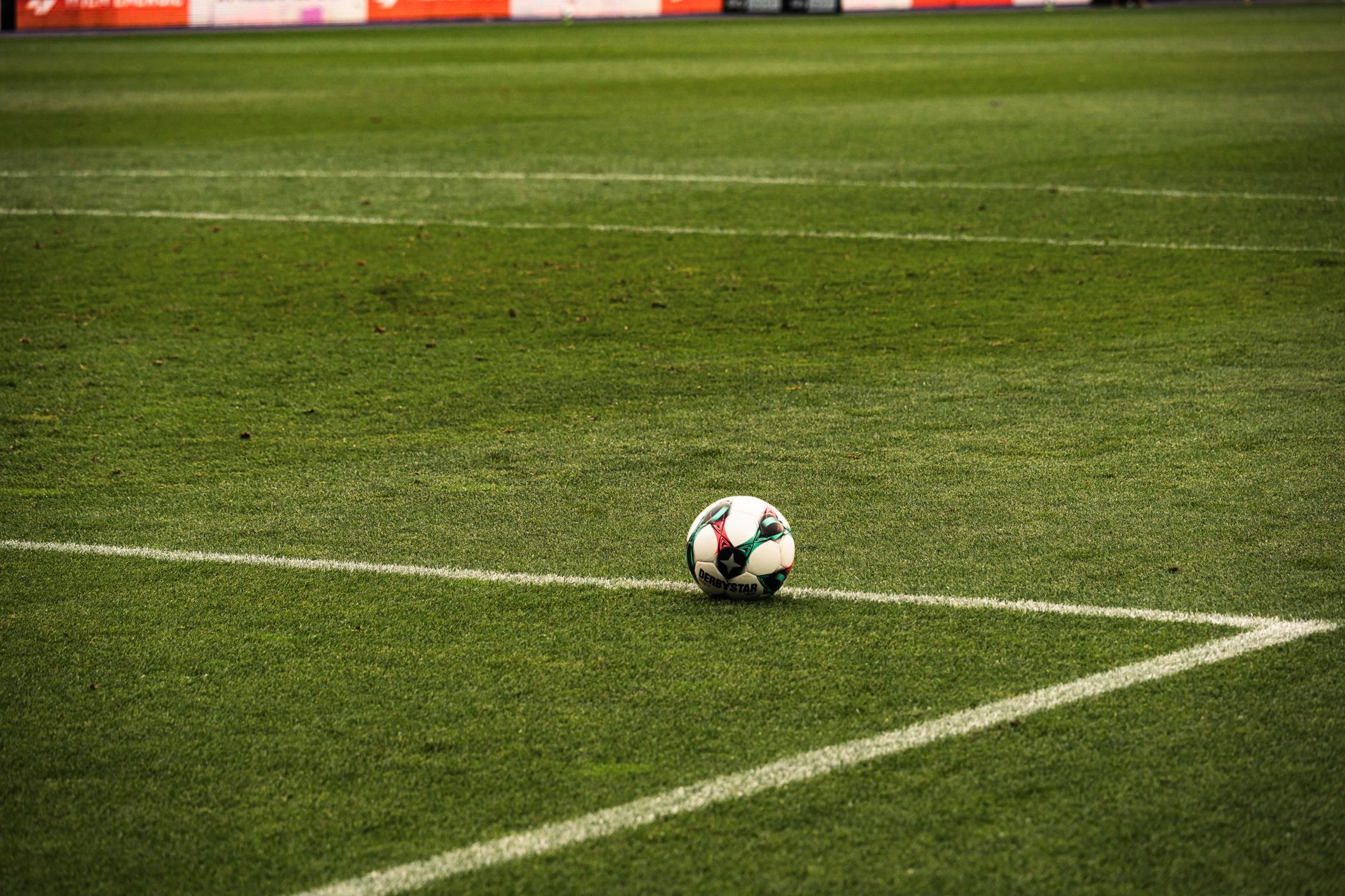
There is a version of Premier League football where set pieces are an afterthought - a long kick into the box, some jostling, and whatever happens happens. That version still exists, and it is quietly costing mid-table sides six to ten points a season.
The gap between clubs that treat dead-ball situations as structured offensive systems and those that treat them as organised chaos has never been wider. Brighton under Roberto De Zerbi - and now Fabian Hürzeler - have been one of the more public examples of this shift, running rehearsed routines that pull defenders into specific zones before the ball is even struck. Liverpool’s set-piece work under their current coaching structure follows similar logic: movement before delivery, not reaction after it.
What makes this interesting is that it is not a budget issue. Analysing and drilling set-piece routines costs almost nothing compared to a transfer. It requires time on the training pitch, video work, and a coach with the conviction to treat dead balls as first-class attacking opportunities rather than a break in real football.
The data already made the argument
Across multiple recent Premier League seasons, somewhere between 25 and 30 percent of all goals have come directly or indirectly from set pieces. That number has been climbing. Yet the tactical conversation in England - from punditry to managerial press conferences - still treats set pieces as a peripheral concern, something you discuss only when a team has conceded from one.

The clubs benefiting most are not always the biggest. Brentford built their entire early Premier League identity partly on set-piece dominance, with Ivan Toney and a coaching staff that treated corners as plays, not hopes.
Why most clubs still lag
The honest answer is probably culture. Football coaching in England has historically prized physicality and work rate in aerial duels over structured movement and deception. Coaches who grew up in that environment tend to replicate it. You put your tallest men in the box, you tell the rest to block, and you hope the delivery is good.
The problem is that defenders have also gotten better at reading static threats. Size alone does not win headers anymore when the opposition knows exactly where you are going to stand.
Set-piece specialists - coaches brought in purely to design and drill dead-ball situations - are still a rarity at most clubs. For the sides currently hovering between 10th and 17th, that looks less like a philosophical choice and more like a missed opportunity hiding in plain sight.