
For most of the 2010s, the standard narrative about Serie A was that it had become a place where fading stars went to extend careers on reduced wages. The league’s global TV deal lagged behind the Premier League’s by an embarrassing margin, and the tactical conversation had moved on - pressing, high lines, positional play. Italy was treated as a museum.
That framing has aged badly.
Look at the centre-backs currently operating in Serie A and then look at who European clubs are spending serious money to acquire. Alessandro Bastoni has been arguably the best left-sided centre-back in Europe for two seasons running, combining positional intelligence with a passing range that most midfielders would envy. Giorgio Scalvini at Atalanta - still 22 - reads the game with a composure that suggests Italian coaching is doing something structurally right with young defenders. Milan Škriniar had his best years at Internazionale before leaving for PSG. The pipeline keeps producing.
This isn’t coincidence. Serie A’s tactical culture still demands that centre-backs think before they act. The league has never fully abandoned the zonal shape that punishes switching off, and Italian coaches - even the younger ones shaped by Sarri or Gasperini - maintain a defensive structure that forces players to develop spatial awareness early. You cannot hide in a back four in this league the way you occasionally can in the Premier League, where pace and physicality can compensate for poor positioning.
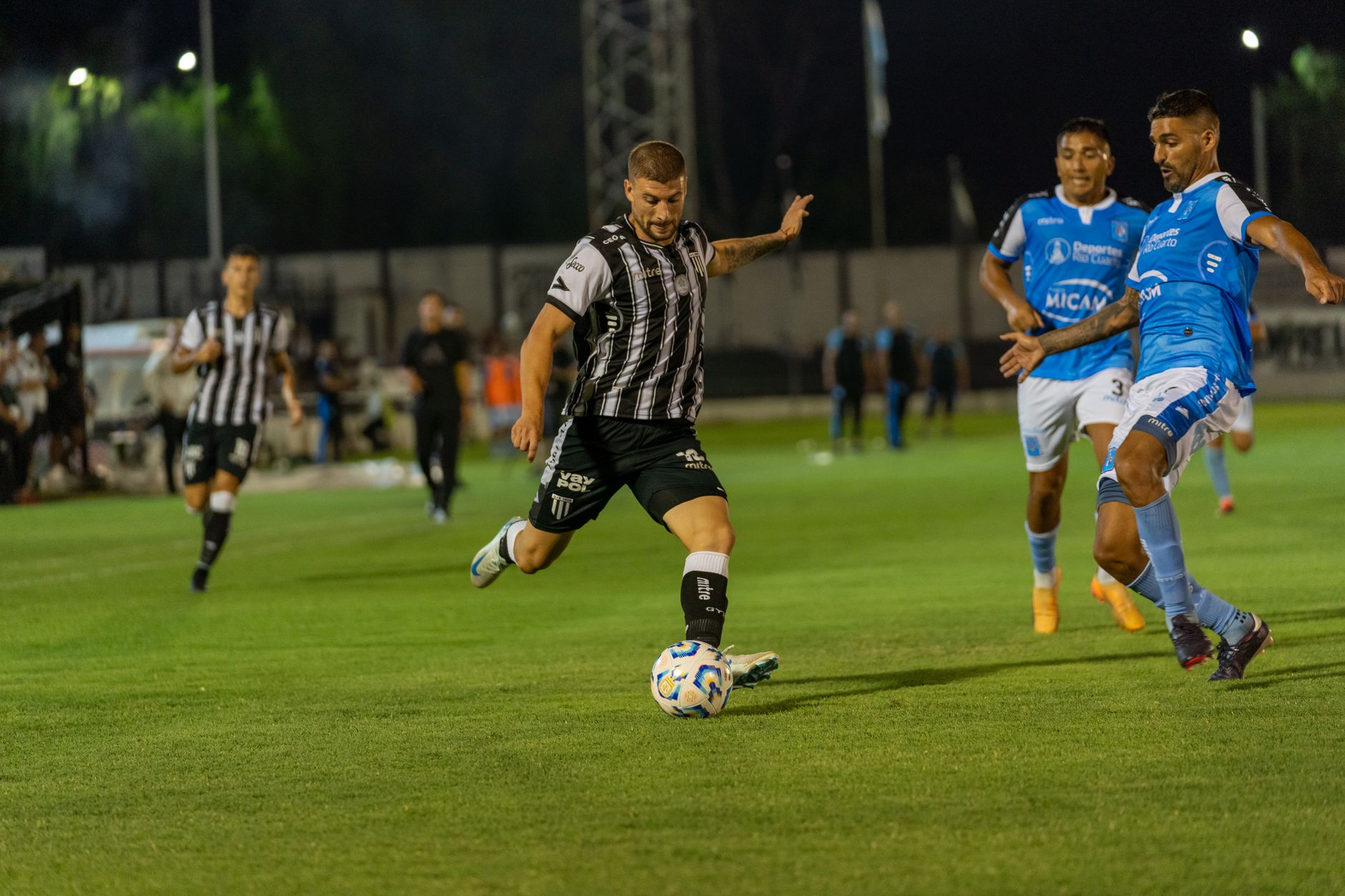
Gasperini deserves specific credit here. Atalanta has functioned as a finishing school for defenders who can press aggressively but recover into compact shape just as quickly. That dual requirement - intensity and discipline - is producing players who transfer to elite European contexts and look immediately comfortable.
The Perception Problem
The reason Serie A doesn’t get credit for this is largely commercial. The league’s storytelling infrastructure is weaker. There’s no equivalent of Premier League Productions packaging individual player development into digestible content. So the defenders emerge, get sold to Real Madrid or Bayern, and their formation years in Italy become a biographical footnote rather than a case study.
It’s also partly because the attacking side of Italian football still looks laboured by comparison. Goals are fewer, spectacle is lower, and that’s what casual viewers measure. But assessing a league purely by goals-per-game is like judging a chess player by how aggressive their openings look.
The best defensive education in club football right now is happening in northern Italy. The rest of Europe is benefiting from it while barely acknowledging where it comes from.