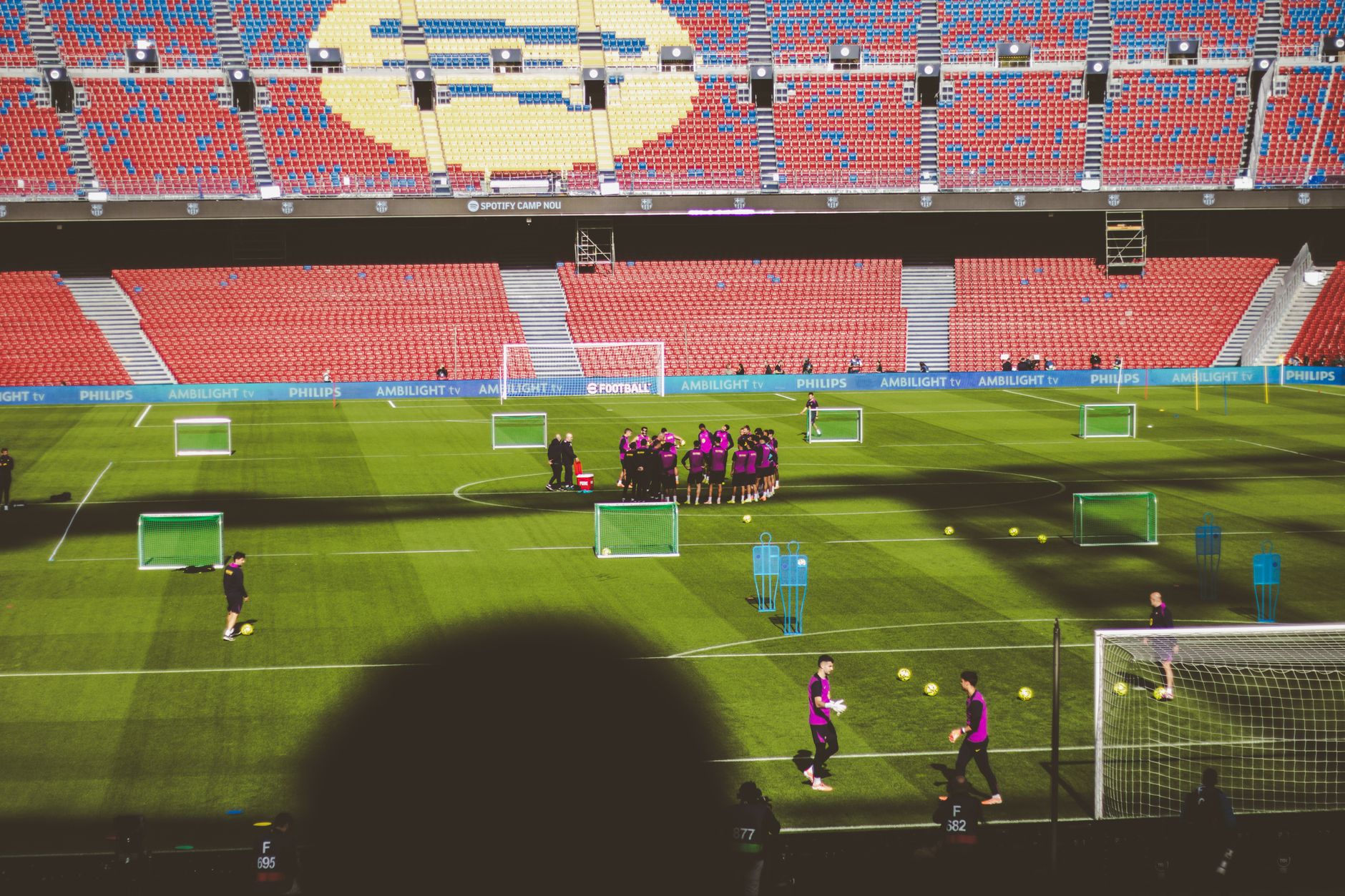
The version of Pedri who played at Euro 2024 was not the same one who announced himself at the 2020 Euros as a teenager. That first incarnation had a looseness to him - he invited pressure, played in tight spaces almost recreationally, and seemed to process the game a full beat faster than anyone around him. By the time Germany came around, he looked cautious. Hesitant. Like someone who’d had his legs taken from him so many times he’d started protecting them before contact.
That’s not a criticism of the player. It’s a criticism of how Barcelona have managed him, and more specifically, how they’ve failed to construct a midfield that actually serves what he does.
The problem isn’t fitness - it’s structural. When Pedri is at his best, he needs runners beyond him and a deep-lying midfielder who can hold shape while he drifts. At Barcelona, those roles have been inconsistently filled for years. Gavi’s injury problems removed one dynamic option. Frenkie de Jong has never quite committed to being a pure anchor. What’s resulted is a midfield where Pedri ends up doing too much defensive tracking, too much recycling, tasks that are fine for a complete midfielder but that eat into the creative risk-taking that makes him special.
Flick’s arrival last season improved the team’s verticality, and there were stretches of La Liga where Barcelona looked genuinely threatening again. But the midfield architecture still isn’t settled around Pedri as the fixed reference point it should be.
The Comparison That Matters
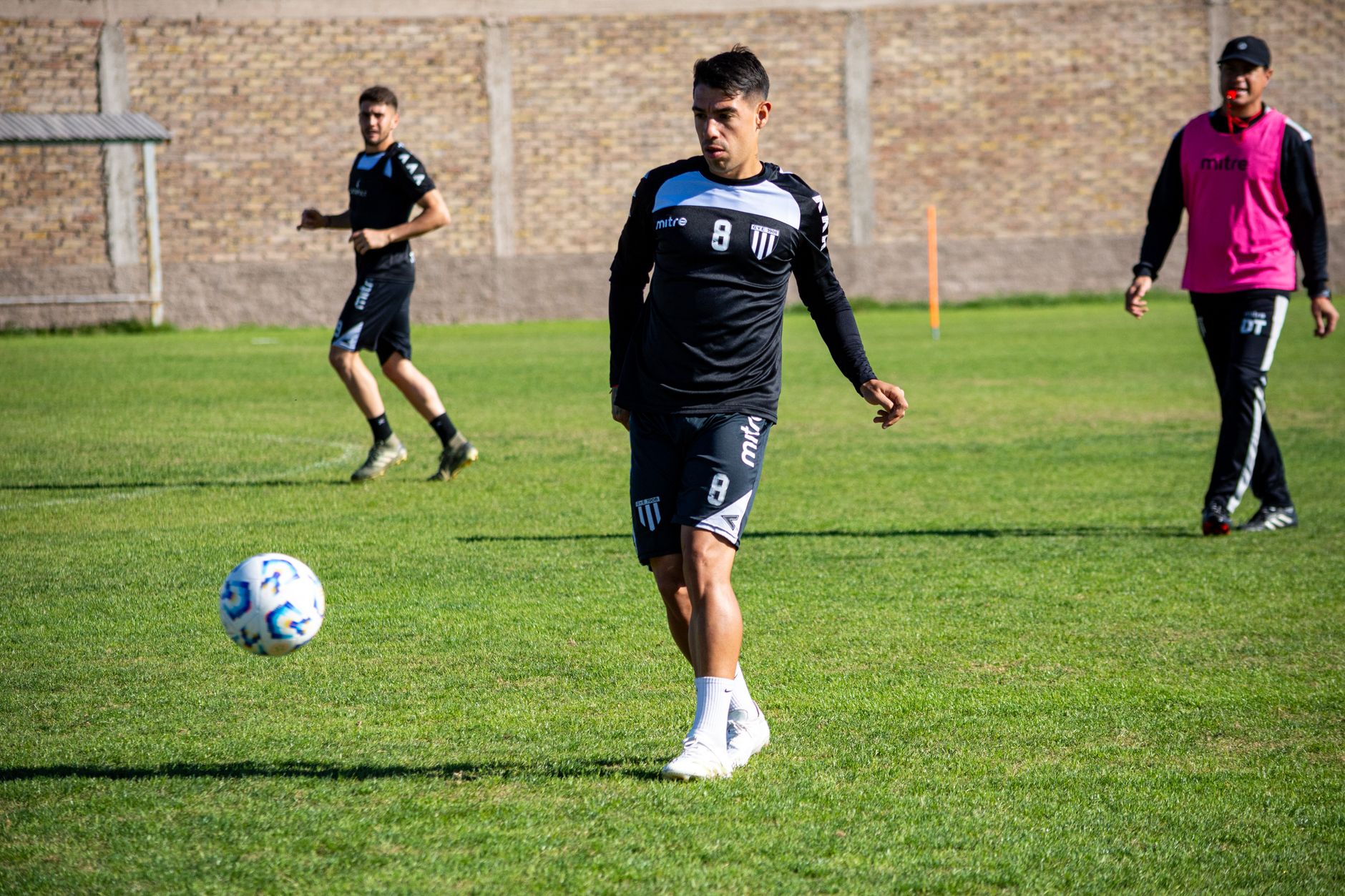
Look at how Spain used him in the Nations League earlier this year compared to how de la Fuente deployed him when things got tight at tournaments. Internationally, when Spain are comfortable and De Bruyne-esque freedom is granted, Pedri gets into pockets, draws fouls in dangerous areas, and picks passes that open defenses diagonally. When the team sits deeper or crowds the midfield, he disappears - not through lack of effort, but because his game is fundamentally about space creation in a compressed zone, not about winning it back.
Barcelona can’t afford to keep treating him as a luxury. He’s 23. This is the window.
If Flick doesn’t sign a genuine defensive midfielder this summer - someone who actually screens, not someone who occasionally does - then next season will follow the same pattern: flashes of the best midfielder of his generation, interrupted by long stretches where the system asks him to be someone he shouldn’t have to be.