
There’s a spending pattern that keeps repeating across NBA front offices, and it’s quietly distorting rosters in ways that don’t show up until the playoffs. Teams with a legitimate first option - a player who can generate his own shot in the half court - keep going out and paying for a second one. Not a complementary piece. Not a spacer or a cutter or a screener. Another shot creator. And then they wonder why the offense stalls.
The logic sounds reasonable. Two players who can break down a defense means the defense can’t key on one. But this assumes both creators are going to be on the floor at the same time, operating in sync, without stepping on each other’s isolation sets. In practice, it usually means one of them is standing somewhere uncomfortable while the other drives, or both of them are touching the ball in sequences that disrupt rhythm rather than build it.
Look at what actually works in postseason offense. Teams that consistently convert in the half court - not in garbage time, not against scrambled defenses, but in late-shot-clock situations against a set defense - tend to have one clear decision-maker surrounded by players whose value is not making decisions. Players who set screens with intent, relocate intelligently, and shoot when the ball finds them rather than hunting for it. That structure is unglamorous and it doesn’t generate interest on the trade market.
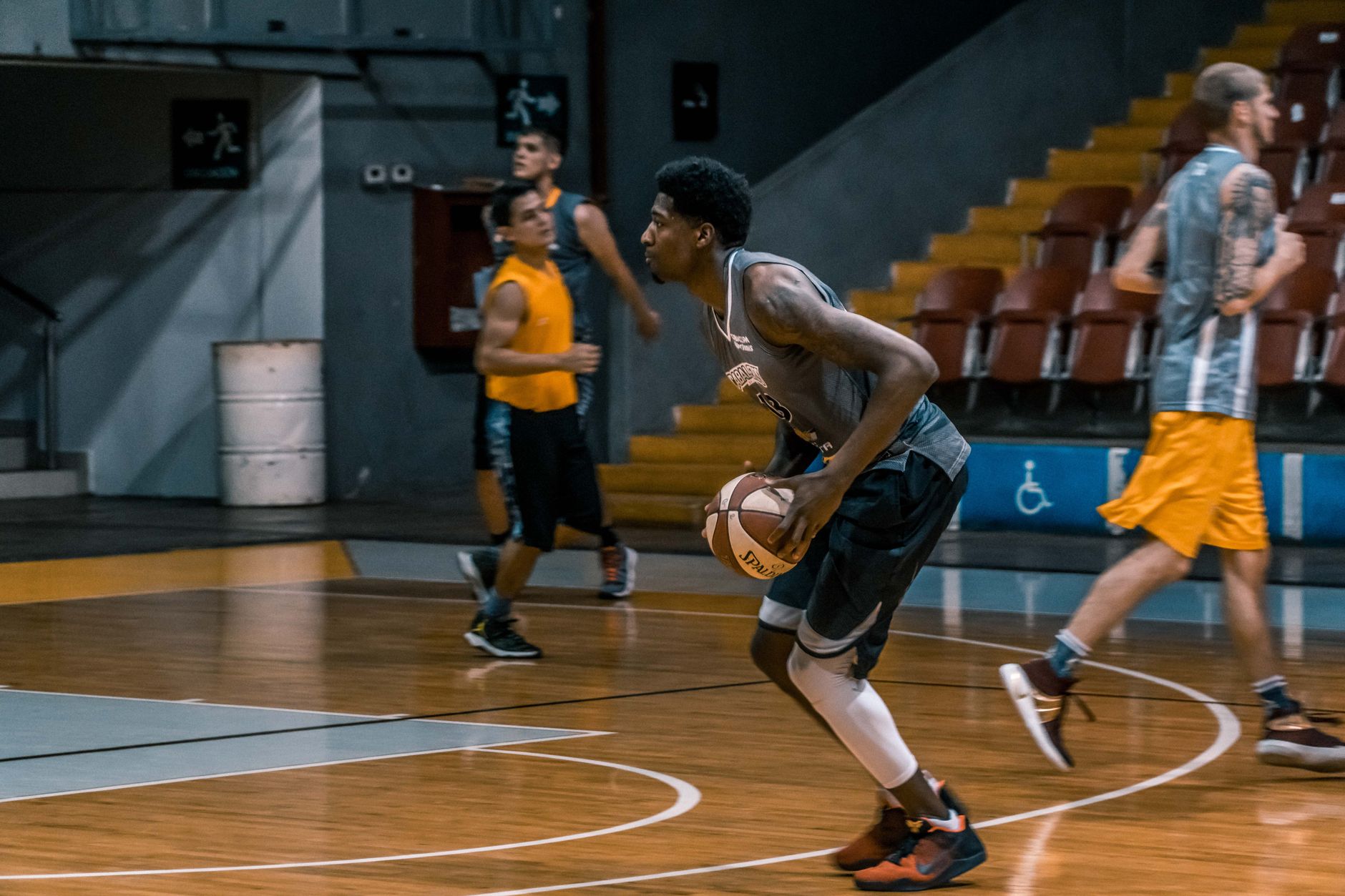
The problem is that shot creators are visible in a way role players aren’t. A wing who averaged 22 points in a bad offensive system looks like upside. A center who set 600 screens last season and never asked for the ball looks like nothing. General managers are not immune to this. Neither are owners.
The Compatibility Question Nobody Asks
Before a team acquires a secondary creator, there’s one question worth asking: does this player’s value depend on having the ball, or on what he does without it? If the answer is the former, you don’t have a complementary piece. You have a conflict waiting to surface in April.
The best supporting players in playoff basketball - the ones actually moving the needle - are largely invisible in the box score. That invisibility is the feature, not the bug.