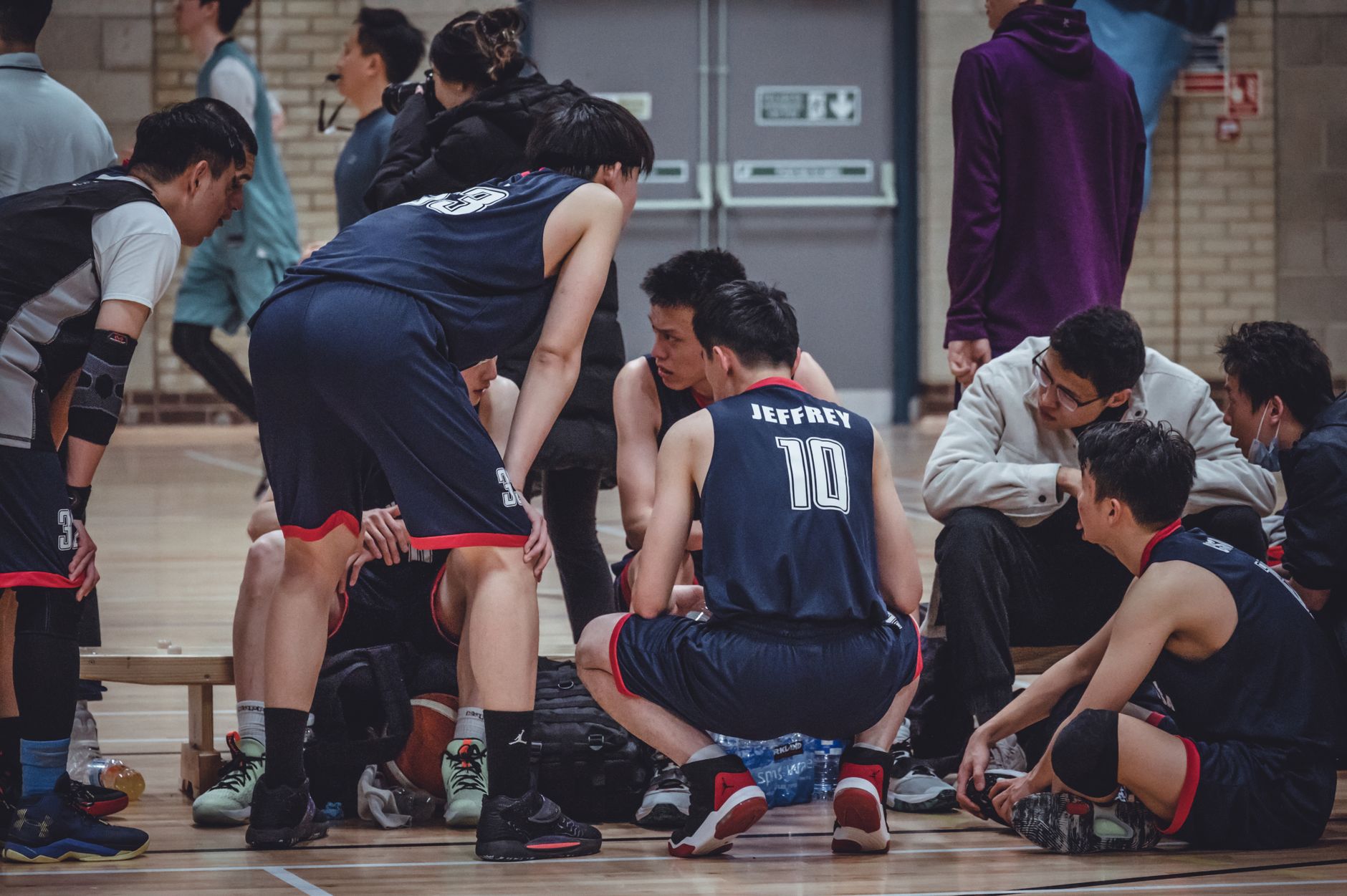
The most interesting lineup on any NBA roster right now probably doesn’t include the team’s best player. That’s not an accident - it’s a structural shift that front offices are still catching up to.
For about a decade, the dominant theory on second units was simple: find one shot creator, surround him with shooters, and let him run pick-and-roll until the starters came back. The Thunder had that with Lou Dort-adjacent lineups. The Clippers built a whole identity around it with Jamal Crawford and later Lou Williams. It worked until opponents figured out how to blitz the ball handler and strand everyone else.
What’s replaced it is harder to define, which is probably why teams keep trying to name it. Call it a bench mob, a collective, a rotation - the label doesn’t matter. What matters is that the units generating the most consistent production in recent seasons have done it through connective play rather than isolation creation. Spacing, cutting, short-roll passing - the same actions that make elite offenses work, just run by players who cost a fraction of the price.
The Milwaukee Bucks’ second units over the Antetokounmpo era have repeatedly outperformed their star’s absence in stretches, not because the reserves were talented in the conventional sense, but because they understood their roles with unusual clarity. The same was true of Miami’s bench culture under Spoelstra - a system that produces functional contributors in ways other organizations genuinely cannot explain.

The problem is roster construction
Here’s where it breaks down. Front offices still evaluate bench players as though individual production is the primary variable. Points per game, true shooting percentage, usage rate - all useful, all pointing in the wrong direction when you’re trying to build a unit rather than collect individuals.
A player who scores 9 points per game while disrupting timing, misreading cuts, and demanding the ball in the wrong moments is destroying more value than he creates. NBA box scores don’t show that. Coaches know it anecdotally. GMs tend not to believe it until they’re watching their bench get outscored by 18 in a January loss nobody remembers.
The teams that have cracked bench construction - Boston over the last few seasons, Denver when Nikola Jokić’s gravity creates leverage for anyone who can cut intelligently - did it by treating the second unit as a system problem first. The personnel followed the system, not the other way around.
Most teams still do it backwards. They sign the players, then wonder why the chemistry isn’t there.