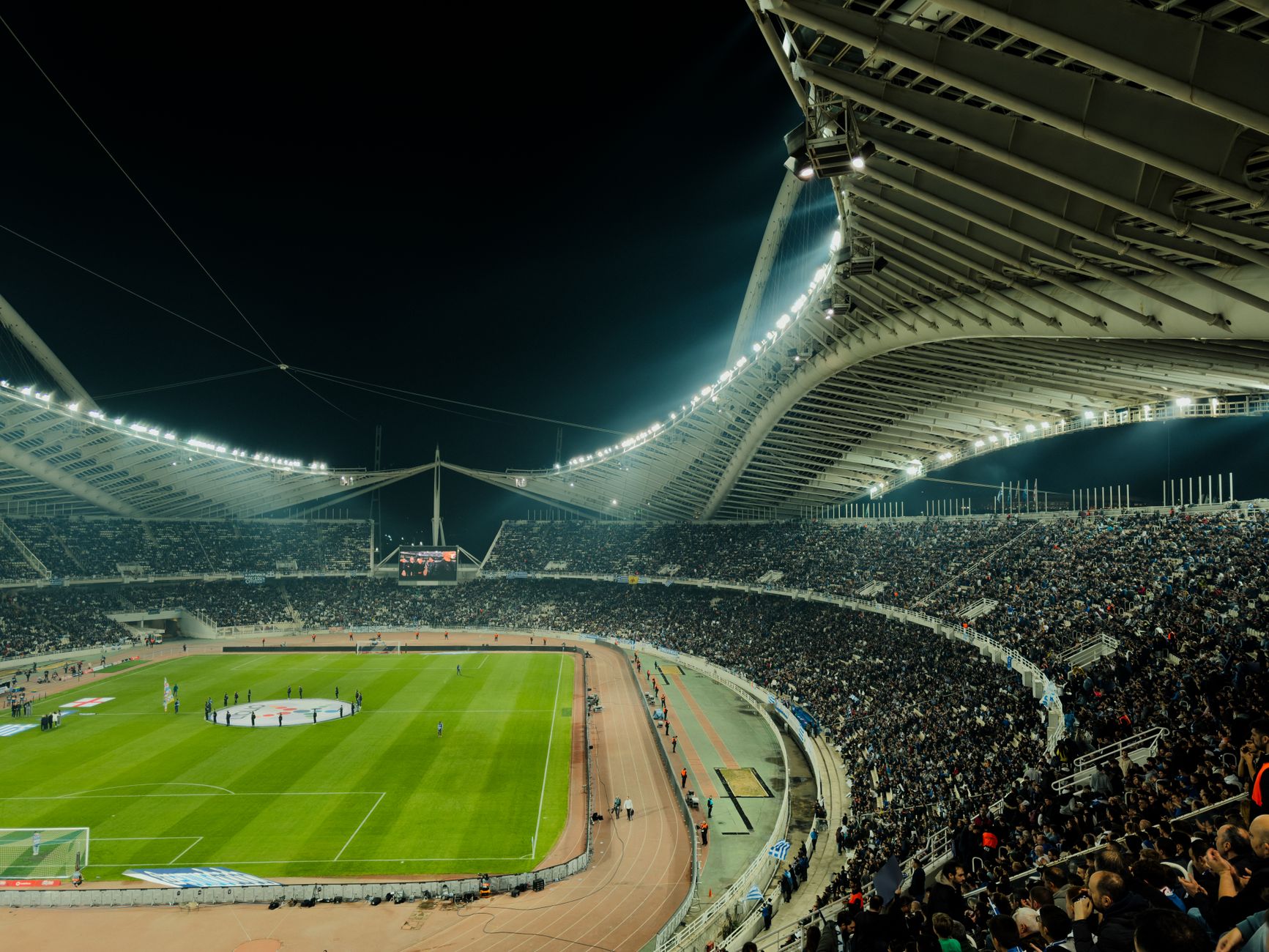
The Champions League still owns the billing. The anthem, the branding, the way broadcasters treat every group-stage fixture like a civilisational event. But if you watched last season’s Europa League from the knockout rounds onward, something was quietly obvious: the football was better. More open, more tactically varied, less choked by the weight of reputation.
This isn’t a romantic take about underdogs. It’s about what happens when teams that need to win - rather than teams managing not to lose - are the ones left standing.
The Problem With Being Too Good to Attack
Champions League football at the heavyweight end has developed a particular texture: two well-resourced sides treating each other with enormous respect, both playing in second gear until one mistake decides it. Real Madrid versus Bayern last season was aesthetically closer to a chess match played by anxious grandmasters than to anything resembling free expression.
Europa League ties, especially from the last 16 onward, don’t have that luxury. Clubs like Bayer Leverkusen in their ascent, or Atalanta in their 2023-24 run, weren’t sitting on squad depth or continental pedigree. They had to impose systems aggressively because the alternative was elimination, not just disappointment.
Atalanta’s performance in the 2023-24 Europa League final - a 3-0 win over Bayer Leverkusen that ended Leverkusen’s unbeaten run - was one of the most complete team performances in any European final in recent memory. It didn’t get anything near the airtime of an average Champions League semi-final.
The Prestige Tax
Part of the issue is how clubs use the competition. For a certain tier of Premier League or La Liga side, the Europa League is what happened to them, not something they chose. That embarrassment colors how they approach it - conservatively, with rotation, treating Thursday nights as an interruption.
Clubs who come in without that baggage, who actually want to be there, tend to play like it. That asymmetry in motivation produces better football than you’d expect from a tournament nominally considered second-tier.
What the Audiences Are Actually Watching
The viewing figures won’t shift the narrative anytime soon. The Champions League is too commercially embedded. But among the people who watch football because of what happens on the pitch rather than which badge is on the shirt, the Europa League is increasingly the competition worth clearing your schedule for.
The reputation just hasn’t caught up yet.