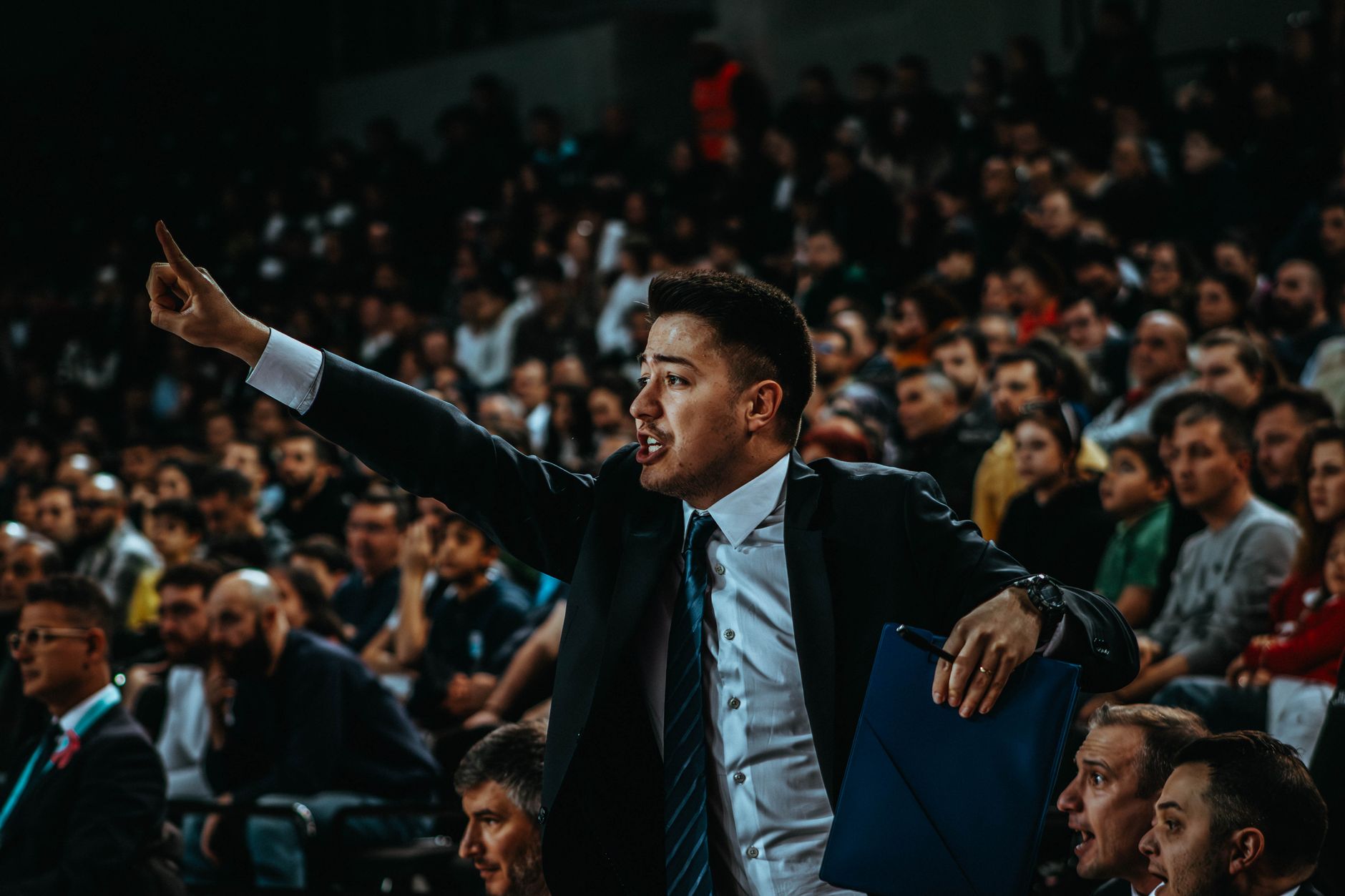
Olympiacos held Real Madrid under 70 points twice in the 2024-25 EuroLeague season. Fenerbahçe’s half-court defense last season was, by any reasonable watching standard, more disciplined than anything the bottom ten NBA franchises were running. These aren’t anomalies. They’re the product of a specific kind of player finally being used correctly.
The NBA has a recycling problem disguised as a roster-building philosophy. Teams sign veterans - typically wings and forwards in their late twenties who showed flashes of two-way competence - give them inconsistent minutes behind younger projects, then release them before they find any rhythm. These players land in Istanbul, Athens, or Barcelona with something NBA benches never gave them: a defined job.
That definition is doing real defensive work.
What EuroLeague Actually Demands
EuroLeague defense isn’t slower or simpler than NBA defense. The pace is different, but the spacing problems are comparable, and the shot clock - 24 seconds, same as the NBA - means possessions aren’t crawling. What differs is how coaches use personnel. EuroLeague rotations are tighter. A player who understands his defensive assignment and executes it consistently will get 30 minutes. In the NBA, that same player might get 11.
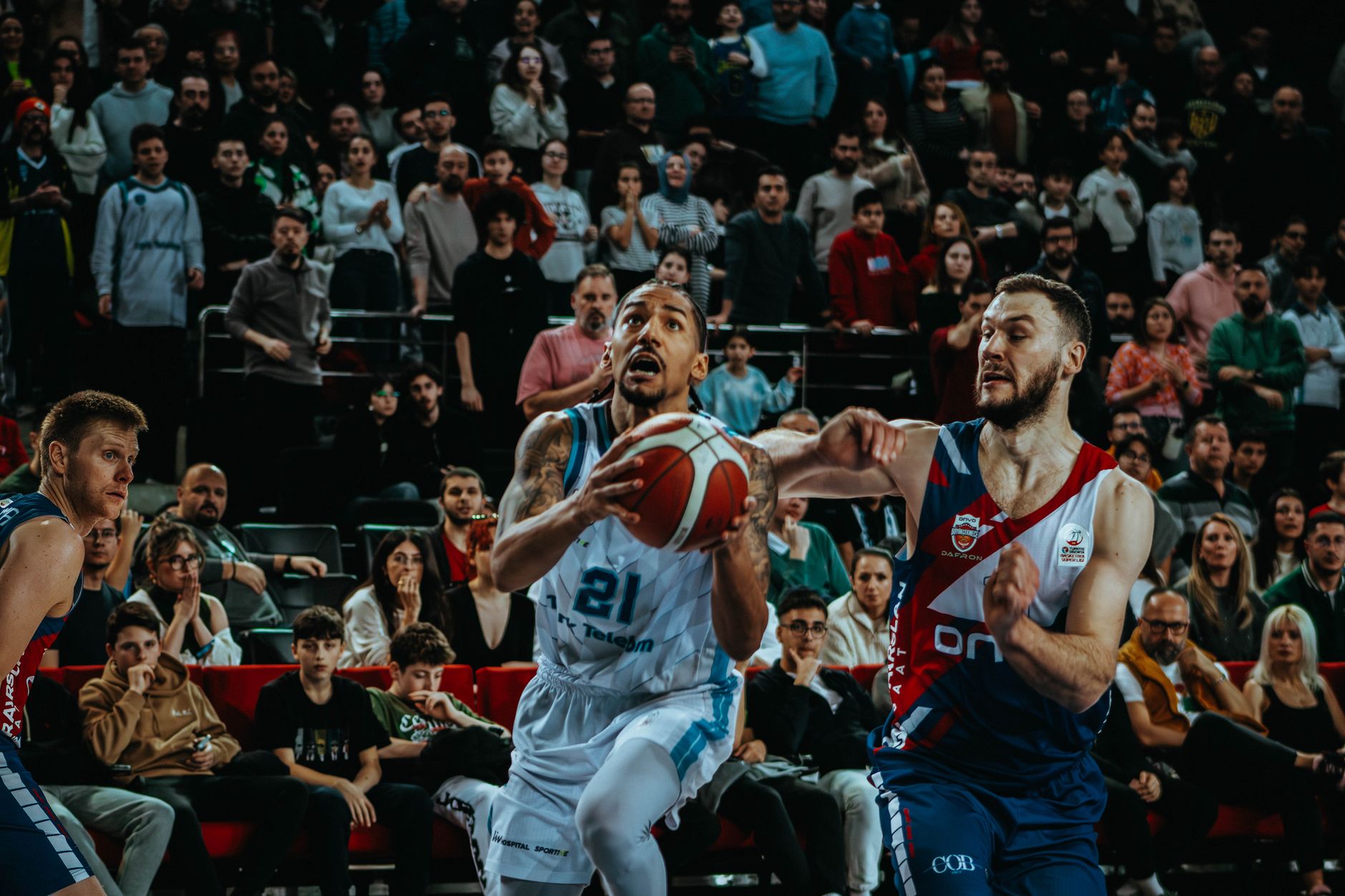
Former NBA players like Wade Baldwin IV, who carved out a stable role at Olimpia Milano, or Scottie Wilbekin at various EuroLeague clubs over the years, didn’t become different athletes when they crossed the Atlantic. They became players with enough rope to actually build habits.
Defensive habits require repetition. NBA coaches, chasing wins with mismatched rosters and 82-game schedules, rarely have patience for that development curve in a veteran who isn’t a cornerstone. EuroLeague coaches, working in systems built over multiple seasons, often do.
The Role Player Paradox
The irony is that the NBA increasingly talks about wanting “3-and-D” players and switchable wings - exactly the profile these players represent. But the league’s obsession with upside means it chases those traits in rookies and second-year players rather than developing them in capable veterans who already understand defensive positioning.
So the defensive intelligence leaves. It goes to Vitoria, to Piraeus, to Berlin. And then analysts watch EuroLeague film and wonder why the half-court defense looks so clean, why rotations arrive on time, why nobody gambles.
The answer isn’t culture or system. It’s that someone finally trusted the right players to do a specific thing, repeatedly, until they were excellent at it.