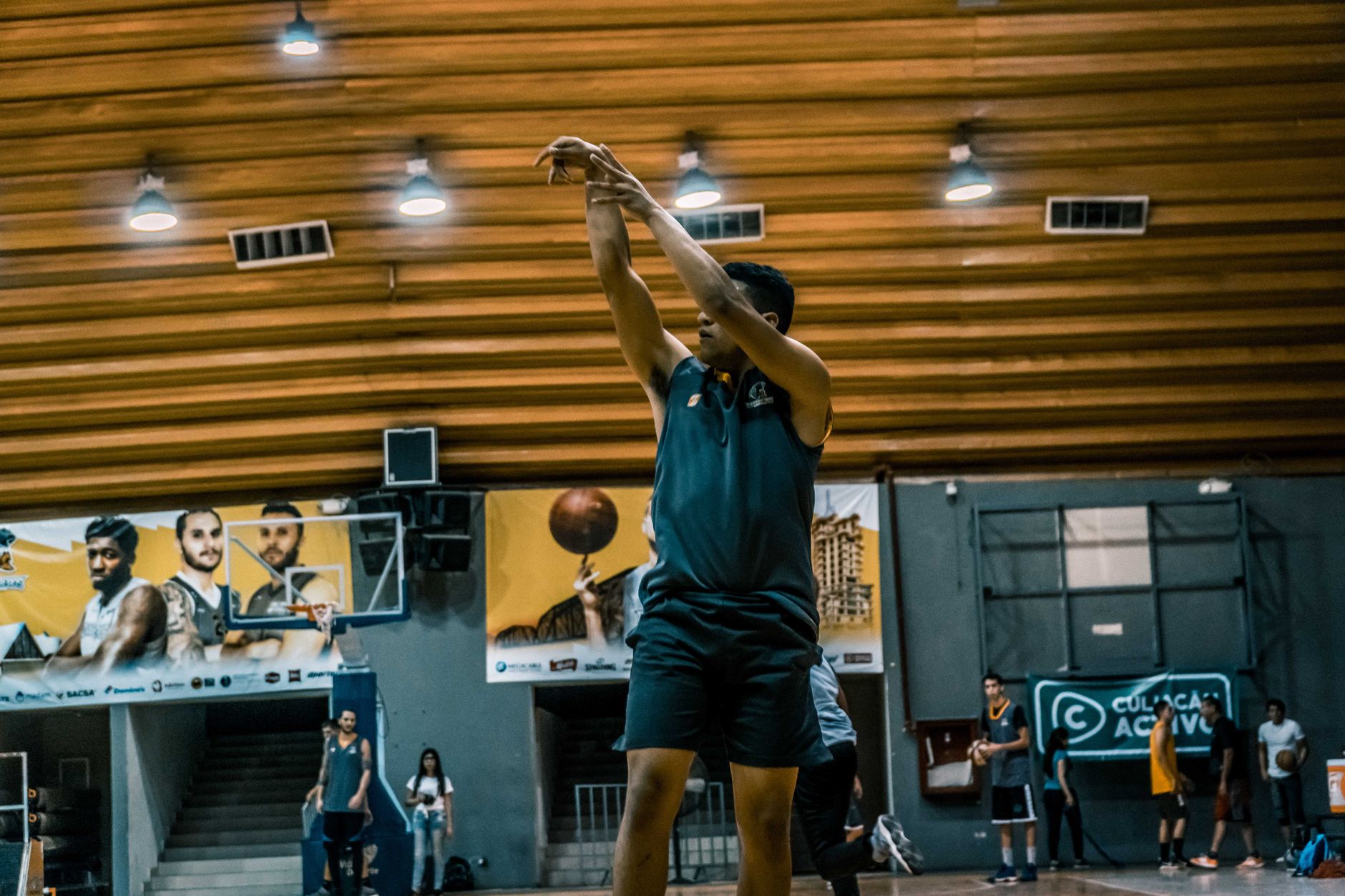
The shooting guard slot has been quietly rotting at the seams in the NBA for years. Teams either overpay for aging scorers who can’t guard anyone, or they slot in 3-and-D guys and pretend the position is solved. It isn’t. The problem is that the NBA still thinks of the two-guard as primarily a scorer - someone who catches and shoots, gets to his spot, maybe creates a little off the bounce. EuroLeague coaches have largely abandoned that framing.
In EuroLeague basketball, the shooting guard increasingly functions as a secondary playmaker who reads the actions of the offense rather than running predetermined routes. Players like Evan Fournier during his time in Europe, and more recently the emergence of guards in the Real Madrid and Fenerbahçe systems, have demonstrated that the position can act as a release valve for the primary ball-handler without defaulting to isolation sets. The ball moves because of what the two-guard does off it, not in spite of his presence.
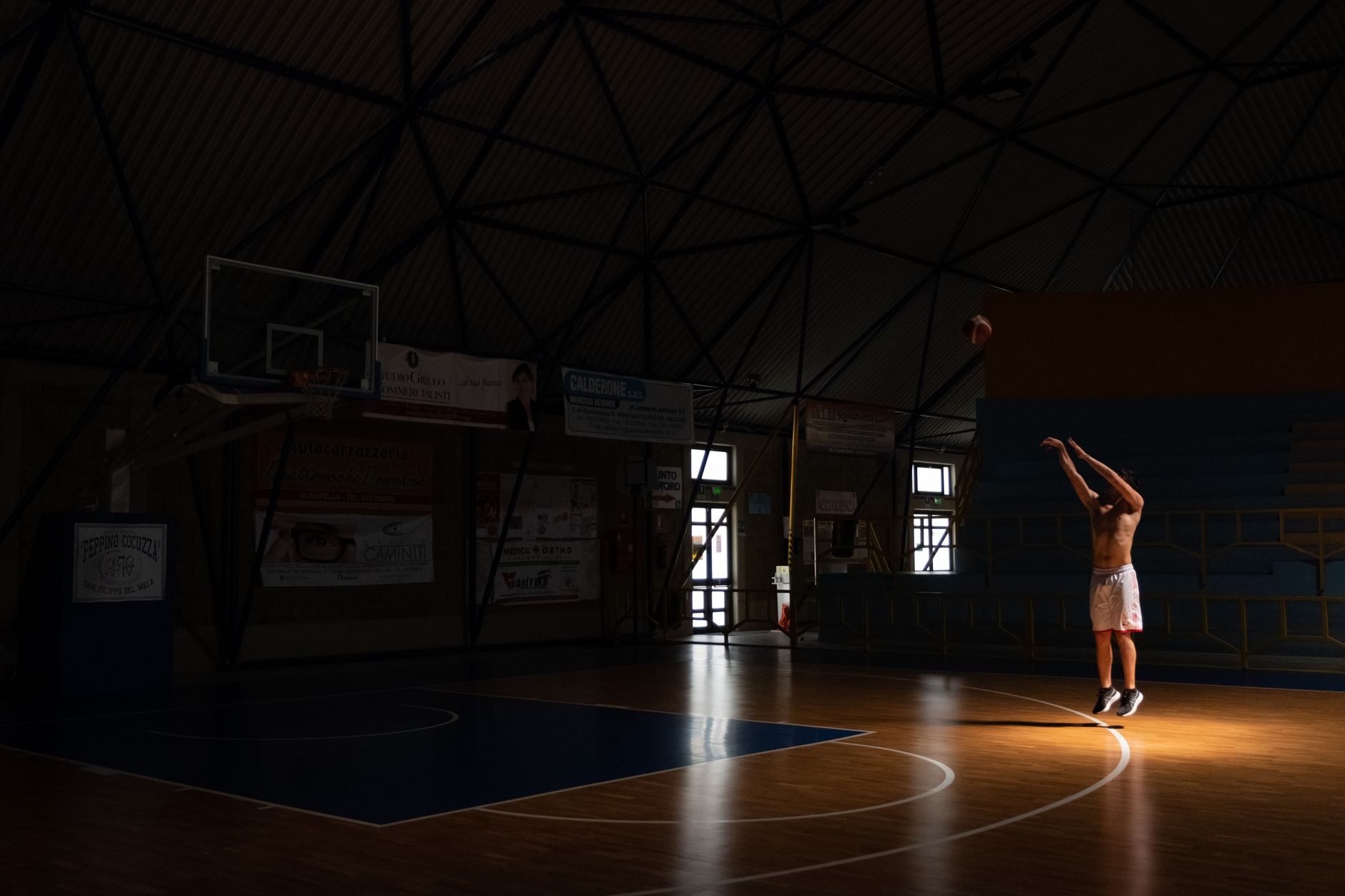
NBA teams structurally resist this. The salary architecture rewards individual statistical production, which means shooting guards are evaluated on points and three-point percentage. A guard who averages 11 points but makes four correct reads per game that generate open looks for teammates is nearly impossible to value on a contract. EuroLeague clubs don’t have that problem - their salary caps and roster construction aren’t driven by max contracts and superstar leverage, which paradoxically gives coaches more freedom to build around function rather than status.
This matters right now because the NBA’s best offensive teams are essentially trying to build what EuroLeague squads have already built - positionless, read-heavy offenses where the ball-handler is interchangeable. The difference is that NBA teams are trying to do it with players trained from age 16 to dominate the ball, while European academies have spent a decade producing guards who are comfortable without it.
The position isn’t dying. It’s being rebuilt somewhere else, and the NBA is going to spend the next five years in a bidding war for players whose value it still doesn’t fully understand.