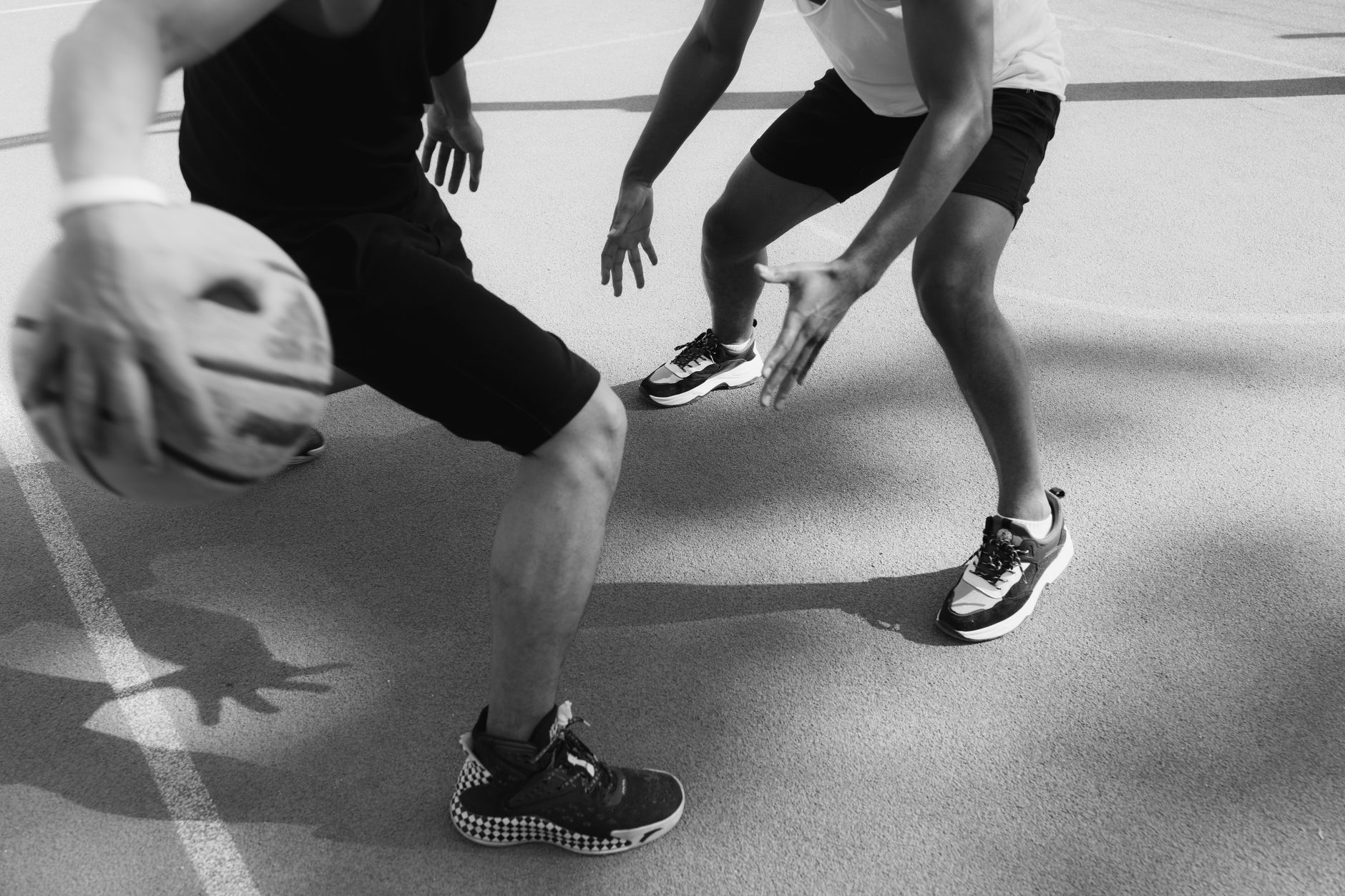
The short roll has quietly become the most exploited action in NBA half-court offense, and the defensive answer has been sitting in EuroLeague film for the better part of a decade. The problem isn’t that NBA teams don’t recognize it - they do. The problem is that their bigs still respond to it as if it’s a screening action, when it’s actually a passing action wearing a screening action’s clothes.
When a ball-handler rejects a pick-and-roll and the big man rolls short instead of to the rim, it creates a decision point that exposes the central tension in drop coverage: the big defender drops to protect the paint, but the rolling big stops at the elbow and catches. Now the big defender is closing out on a man who can pass, drive, or shoot a mid-range jumper - and he’s closing out late, from depth, having already committed to protecting the rim. It’s a coverage that was designed for one scenario and is being asked to handle three.
Real Madrid and Olympiacos have been switching out of this specifically for years. Their bigs are coached to read the roll’s depth before it happens - if the rolling big plants above the foul line, the defender doesn’t drop at all. He stays attached and forces the catch to happen further from the basket. The guard defender, meanwhile, is trained to sink earlier and take the drive-through lane away. It’s a half-switch, not a full one, and it collapses the short roll’s decision window considerably.

NBA bigs are rarely coached this way. The drop is the default, it’s comfortable, and it protects against the one outcome coaches most fear: the lob. But the short roll doesn’t threaten a lob. It threatens a catch-and-make from twelve feet, and drop coverage has no answer for that beyond hoping the big can’t shoot - which, increasingly, he can.
What’s strange is that the players to execute this already exist in the NBA. Several starting centers have the lateral quickness and IQ to stay attached through a short roll. The adjustment isn’t a personnel problem.
Whether it becomes a coaching priority before teams spend another two playoff rounds getting bled from the elbow is the part that’s harder to predict.