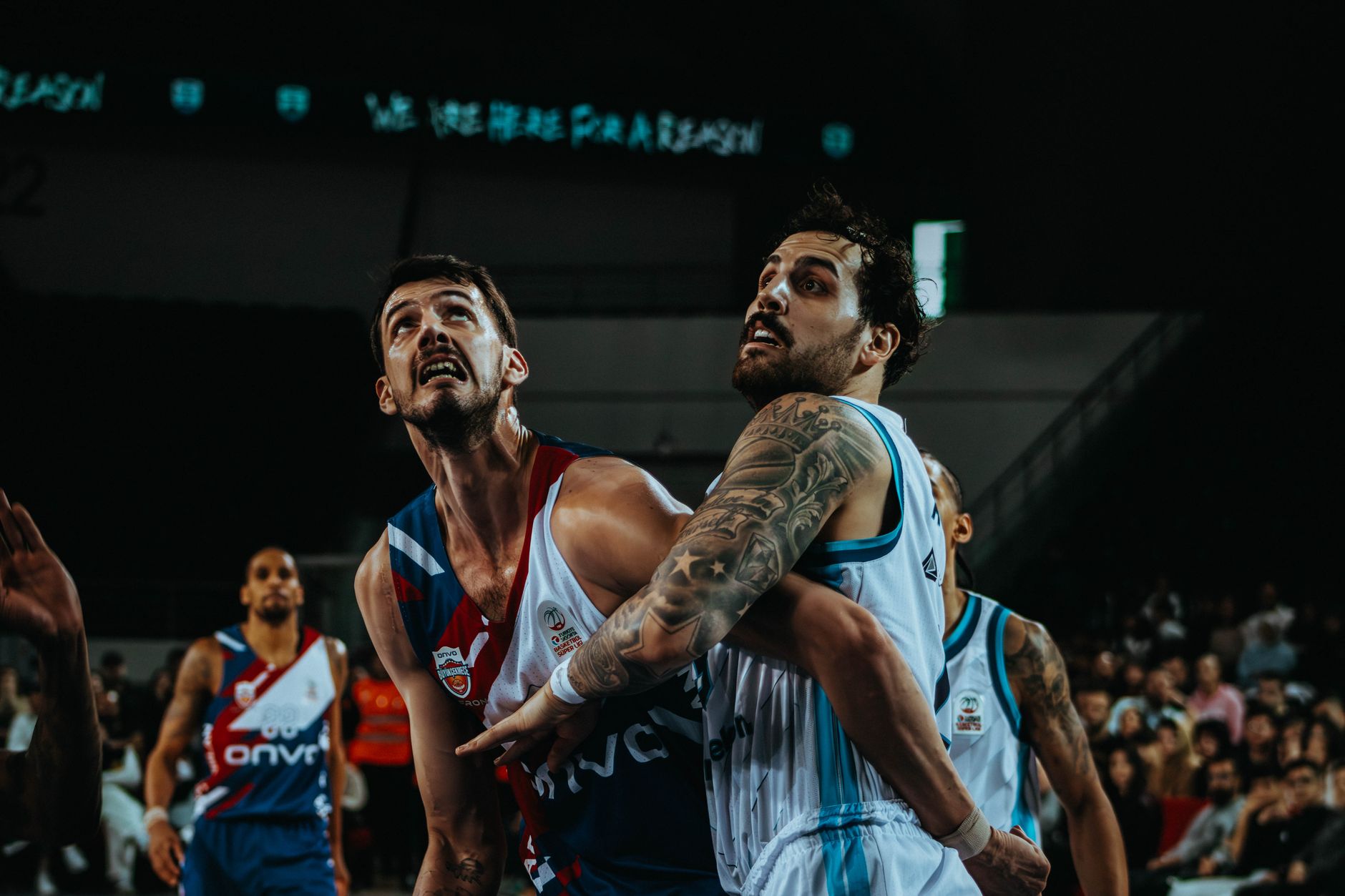
There’s a specific moment that keeps repeating itself in EuroLeague playoff basketball - a ball handler comes off a screen, the big drops just enough to cut off the downhill drive, the guard recovers laterally, and the possession dies. Clean. Practiced. Efficient. NBA scouts watch this and write something like “good scheme” in their notebooks, then fly home and watch their team give up a corner three off the same action for the fourteenth time.
The gap between how EuroLeague defenses handle ball screens and how most NBA teams handle them isn’t really about personnel anymore. It’s about communication depth - how many options a defense has rehearsed before the game starts. Real Madrid and Olympiacos have run the same core defensive system for long enough that their bigs and guards operate on shared assumptions. They don’t need the coverage called from the bench because they’ve already agreed on it. That kind of institutional memory takes years to build, and NBA teams, with their constant roster churn and coaching changes, almost never get there.
The argument against taking EuroLeague defense seriously usually runs like this: the athleticism gap makes direct comparison impossible. And yes, the average NBA guard is faster than his EuroLeague counterpart, which does create genuine problems for drop coverages. But that argument is being used to dismiss systems because of personnel, which is backwards logic. The question isn’t whether NBA athletes can be contained the same way - they can’t. The question is whether the decision-making framework transfers. It does.
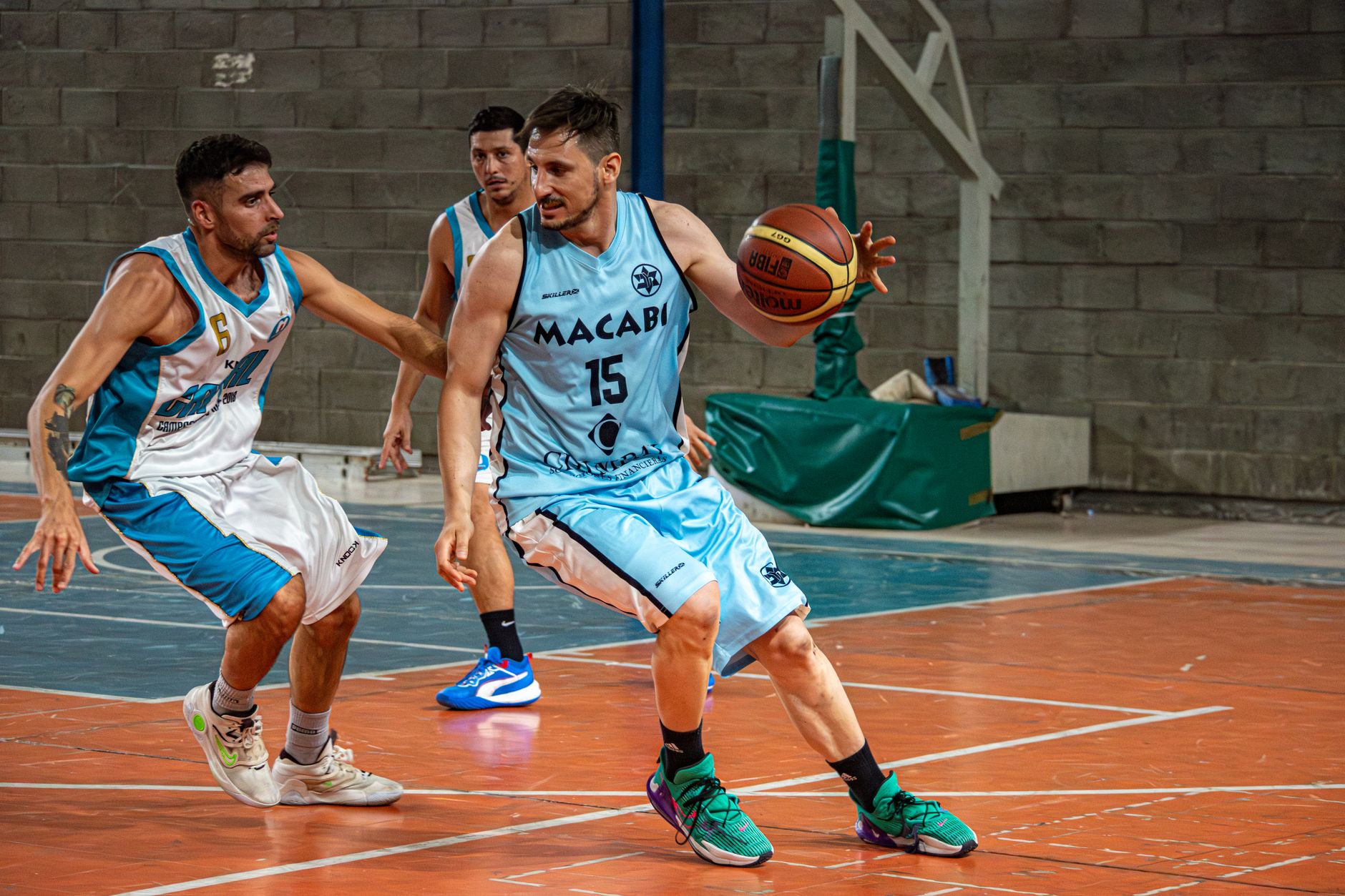
The Repetition Problem
NBA defensive schemes change too often. A team will run modified ICE coverage for six weeks, struggle against a specific action, then scrap it entirely rather than fix the specific breakdown. EuroLeague staffs tend to stick. They adjust within a system rather than replacing it. That might partly reflect the longer-tenured coaching relationships common in European club basketball - Ergin Ataman has had sustained runs at clubs long enough to actually build something. In the NBA, a coach who goes 38-44 doesn’t get a fourth season to let the defense mature.
The result is that NBA teams are perpetually in year one of their defensive identity, while some EuroLeague programs are in year six. The athleticism advantage papers over a lot of that deficit in the regular season. Come May, it tends not to.
Whether that changes as NBA rosters stabilize slightly under the second apron rules - teams holding their core longer out of financial necessity - is the more interesting question than any individual scheme debate.