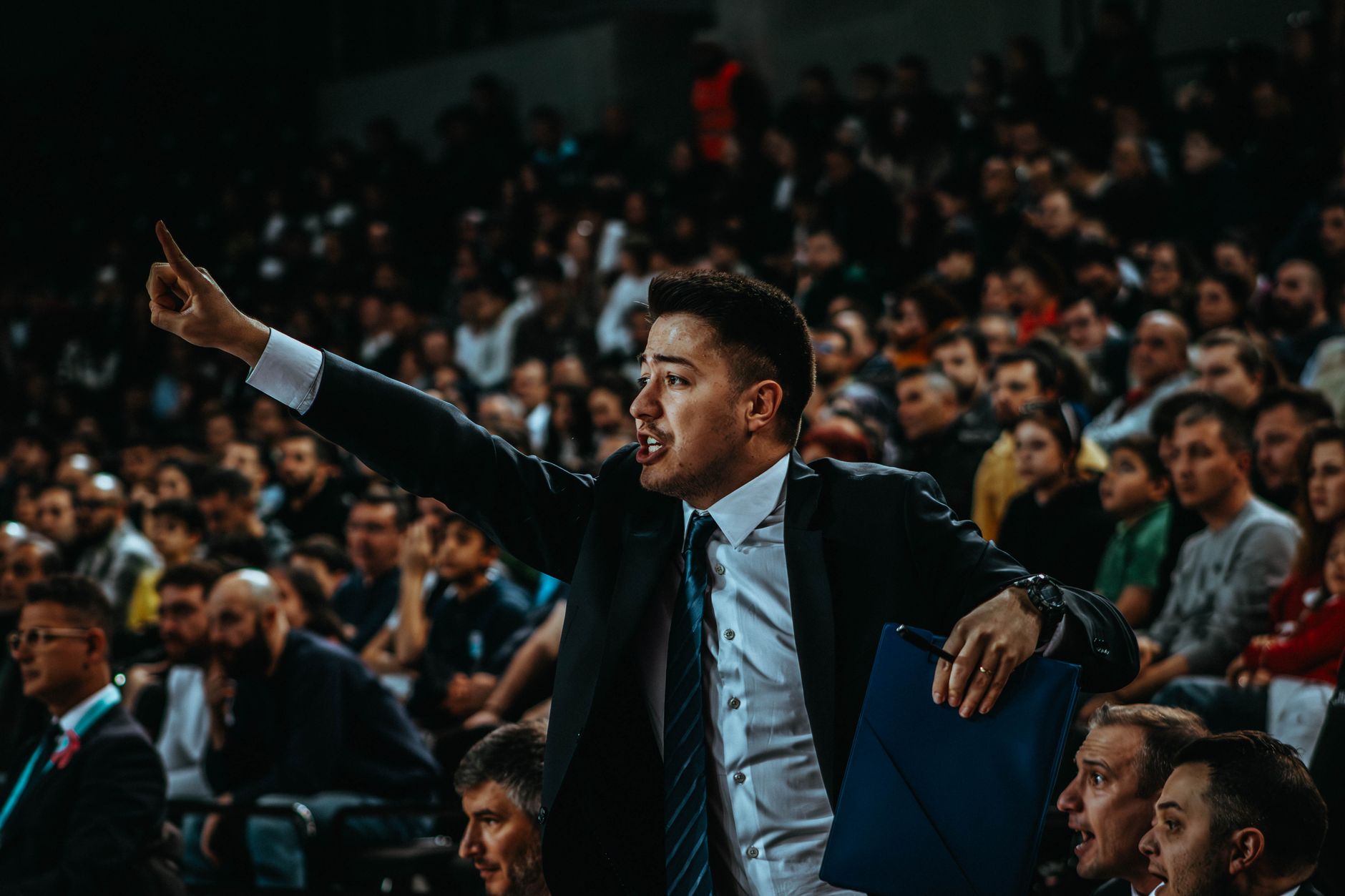
There’s a specific kind of EuroLeague roster that looks immaculate on paper every October and then falls apart against Real Madrid in Game 4. Two high-IQ playmakers, a stretch big who can’t create off the dribble, two wings who defend well and score efficiently within structure. Beautiful, coherent, and almost totally unable to manufacture a basket when the half-court sets break down.
This is the dominant construction philosophy in EuroLeague right now, and it has a ceiling that the standings make obvious. The teams that have actually won the competition in recent years - or pushed deep into Final Four weekends - have leaned on players who can produce outside the system. Not stars in the NBA sense, necessarily, but someone on the floor who can put the ball on the floor and force a decision in a non-scripted moment. EuroLeague defenses at the playoff level are too well-drilled to be beaten purely by motion and ball movement. Eventually you need someone to make something happen.
The puzzling part is that coaches know this. Talk to any EuroLeague assistant and they’ll describe closing-time possessions the same way: sets get scouted, switches get taken away, and you end up in a side pick-and-roll that the defense has already accounted for. The solution they describe - a lead guard or wing with genuine isolation capability - is almost never reflected in how clubs actually build their rosters.
The budget argument only goes so far. Yes, players with high-level creation ability tend to prefer NBA contracts. But the gap between what a team like Fenerbahçe or Olympiacos spends annually and what it would cost to sign a player with demonstrable late-shot-clock value is not the real obstacle. The real obstacle seems to be aesthetic. EuroLeague front offices, shaped by decades of systemic coaching orthodoxy, still treat isolation as a last resort rather than a weapon to be deployed deliberately.
The Dirty Secret of EuroLeague Shooting
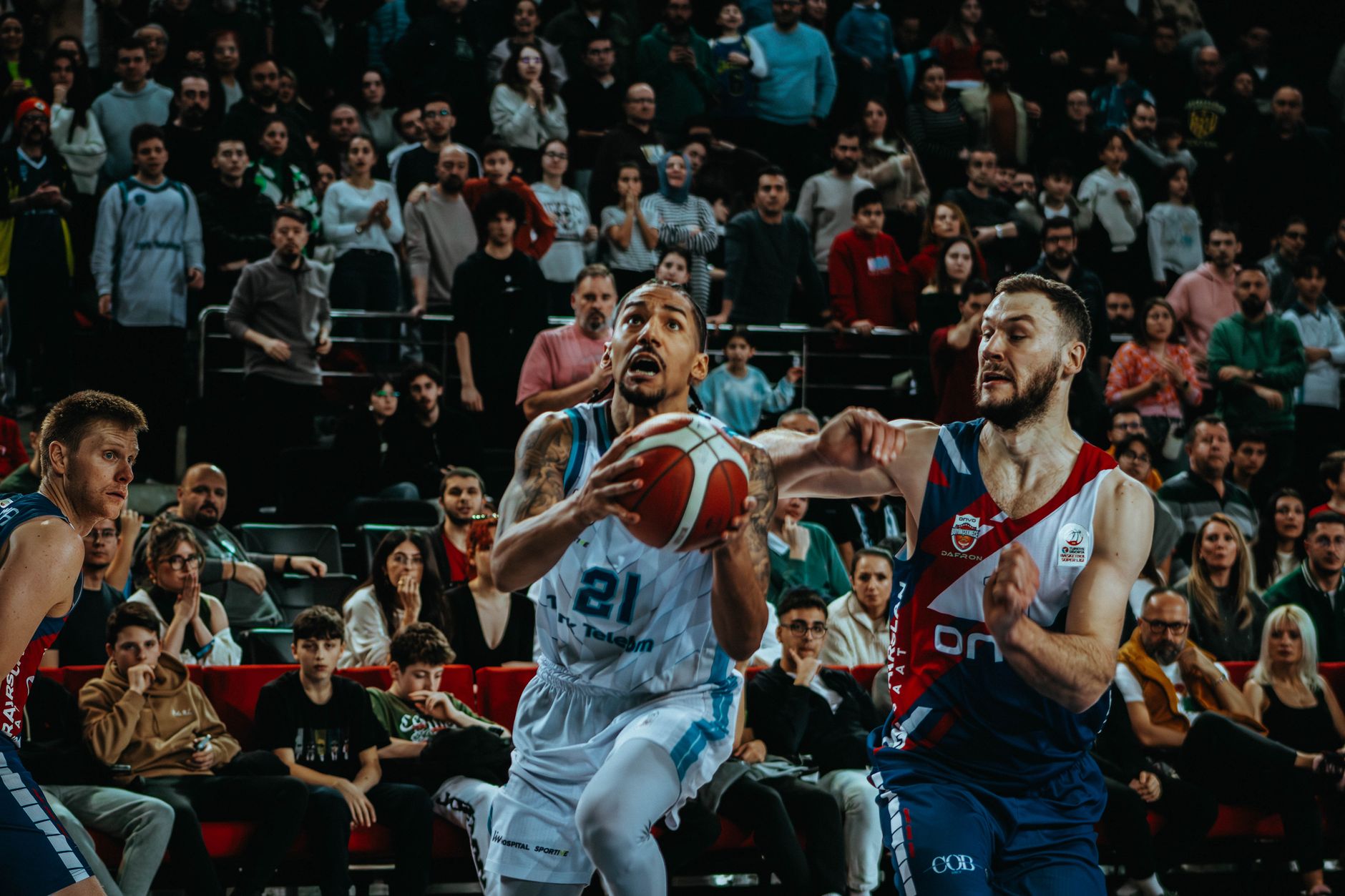
A huge portion of EuroLeague offensive efficiency comes from corner threes generated by dribble penetration that collapses the defense. Remove the driver, and the corner shooter is just a guy standing there. Which is exactly what he becomes when defenses refuse to help.
This is what makes late-game EuroLeague basketball so frequently ugly - not the pace, not the physicality, but the total absence of a player whose skill set was designed for that exact moment. Teams build for the first 35 minutes and then improvise the rest.
Whether that changes probably depends on whether the coaching culture shifts first or the results finally force the question.